
Buying Korean Ramyeon Abroad: How to Read the Package
Learn the key Korean words on ramyeon packages, how multipacks and cups differ, where to buy outside Korea, how to store them and how to choose by taste.
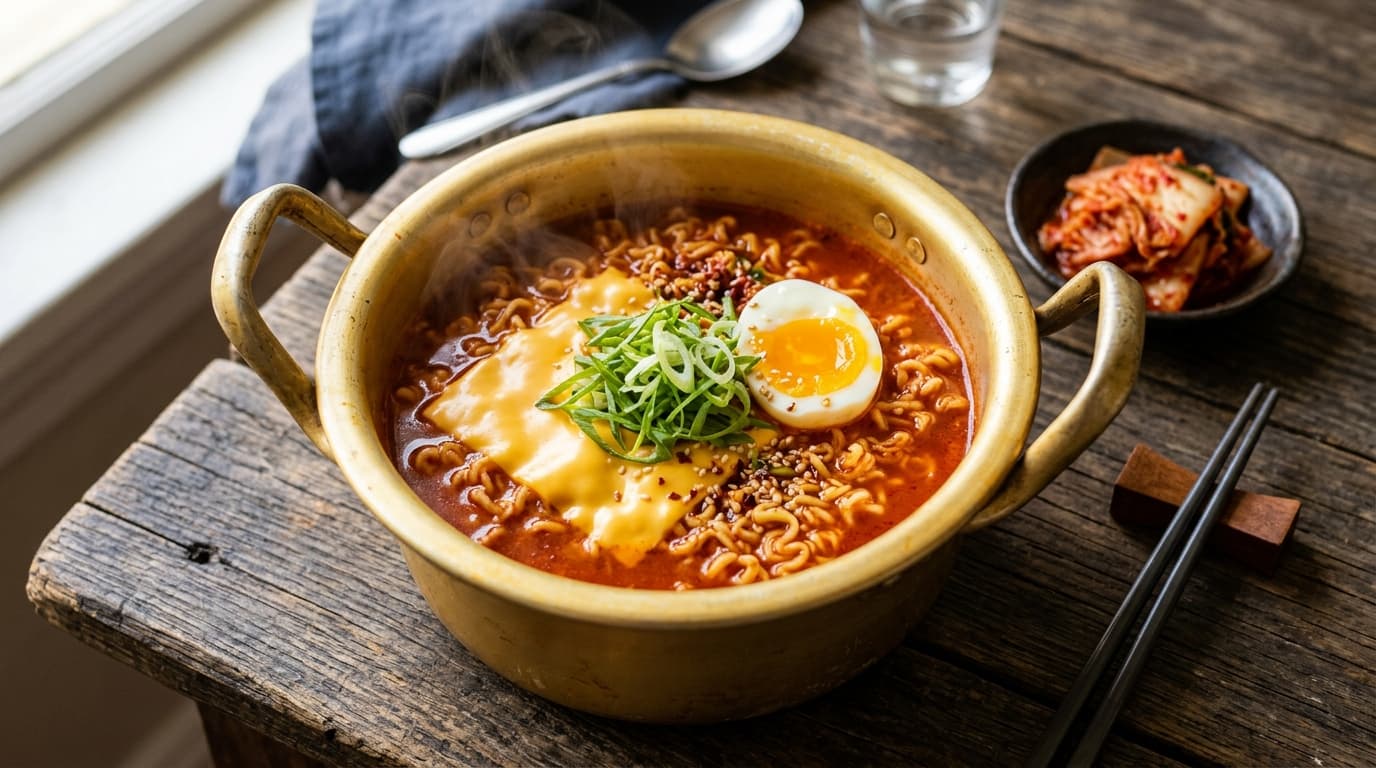
Standing in front of a wall of Korean noodles can be confusing. Some packets are fully labeled in English, others have only a small importer sticker on the back, and the same brand might come in a red packet, a black packet, a big bowl and a tiny cup. Once you know a handful of Korean words and a few basic rules, though, that wall becomes much easier to read.
This guide walks through the words you will see most often, the difference between packets and cups, where to shop, how to store what you buy and how to pick a noodle based on the flavors you already like. Recipes and labels change by market, so always check the package in your hand.
Front of the pack: flavor and style words
The biggest words on the front usually tell you the style of noodle and how spicy it is meant to be. These are the ones worth learning first.
- 라면 ramyeon: instant noodles, usually a soup style.
- 매운맛 maeun-mat: spicy flavor. Often printed on the hotter version of a noodle that also comes in a mild one.
- 순한맛 sunhan-mat: mild flavor. Jin Ramen, for example, comes in both.
- 볶음면 bokkeum-myeon: stir-fried noodles. Little or no soup; you drain most of the water.
- 비빔면 bibim-myeon: mixed noodles, usually served cold with a sweet and spicy sauce.
- 짜장 jjajang: black bean sauce style, savory and slightly sweet, no chili.
- 짬뽕 jjamppong: spicy seafood noodle soup style.
- 사골 sagol: long-simmered beef bone broth, milky and mild.
- 국물 gungmul: broth.
Back of the pack: directions and sachets
Look for 조리방법 jori bangbeop, which means cooking directions. The two numbers you need are the water amount, written next to 물 mul (water) in ml, and the cooking time in 분 bun (minutes). Most soup ramyeon ask for about 500 to 550 ml and around 4 to 5 minutes, but thick noodles like Neoguri take longer, so read the packet rather than guessing.
Inside, you will usually find one to three sachets. Knowing which is which helps you control the flavor and heat.
- 분말스프 bunmal seupeu: the powder soup base. This holds most of the salt and spice.
- 액상스프 aeksang seupeu: liquid sauce, common in stir-fried and bibim noodles.
- 후레이크 hureikeu or 건더기 geondeogi: dried vegetable flakes and other bits that rehydrate in the pot.
- Oil sachets: some noodles include a small packet of flavored oil, usually added at the end.
Kitchen tip
Many export packets print English directions too, but the Korean numbers are often easier to spot quickly once you know where to look.
Allergens, ingredients and dates
The ingredient list is labeled 원재료명 wonjaeryomyeong. On export packaging there should also be an English ingredient list and allergen statement required by the country you are in, so rely on that when it is available. If you only have the Korean label, these words come up again and again.
- 밀 mil: wheat. 대두 daedu: soybean. 우유 uyu: milk.
- 쇠고기 soegogi: beef. 돼지고기 dwaejigogi: pork. 닭고기 dakgogi: chicken.
- 새우 saeu: shrimp. 오징어 ojingeo: squid. 난류 nallyu or 계란 gyeran: egg.
- 소비기한 sobigihan: use-by date, now standard on newer Korean labels. Older packets may say 유통기한 yutonggihan, a sell-by date.
- 까지 kkaji: until. Dates are written year, month, day, so 2027.03.15까지 means until March 15, 2027.
Kitchen tip
Most standard broth powders contain beef, pork or seafood ingredients. If you eat vegetarian, look for lines labeled vegan or vegetable and read the full ingredient list.
Multipacks, cups and bowls
The individual packet, called 봉지 bongji, is the cheapest per serving and gives you the best texture, because you cook the noodles in boiling water and control the timing. Packets are usually sold in multipacks marked 4개입 or 5개입 (4-gae-ip or 5-gae-ip, meaning four or five pieces inside), and warehouse stores sell boxes of a dozen or more.
Cup noodles trade some texture for convenience. The noodles are thinner or processed differently so they soften with only hot water, which gives a softer bite and sometimes a slightly different seasoning from the packet version of the same brand.
- 컵 keop: cup. 소컵 so-keop is a small cup, good for a snack.
- 큰사발 keun-sabal: big bowl, roughly a full packet's worth of noodles.
- 전자레인지 사용 불가 jeonjareinji sayong bulga: do not microwave. Check this before heating a cup.
- Fill line: cups have a line printed inside. Fill only to that line or the broth will taste watery.
Where to buy outside Korea
Korean grocery chains, such as H Mart in North America, have the widest range, including domestic-market versions with Korean-only labels and seasonal or limited flavors. Pan-Asian supermarkets usually carry the bestsellers, and mainstream supermarkets in many countries now stock Shin Ramyun, Buldak and a few others in their world foods aisle.
Warehouse clubs often sell large boxes at a good price per packet, which makes sense once you know you like a noodle. Online shops are useful for harder-to-find flavors, but check the use-by date on the listing if possible and expect the odd crushed block.
Be aware that some popular lines are produced in factories outside Korea for local markets, and recipes are adjusted for local rules. The taste is usually close, but if a noodle seems slightly different from the one you had in Seoul, that is probably why.
Storing ramyeon at home
Instant noodles keep well, but not forever. Most packet noodles are fried, and the oil in them slowly goes stale. A packet past its best does not usually look different, but it can smell flat or a little like cardboard once cooked.
- Keep them in a cool, dry cupboard away from the stove, sunlight and heat.
- Store them away from strong smells such as detergent, spices or onions; packaging is thin and odors can creep in.
- Put new packs at the back and older ones at the front so you use them in order.
- Do not stack heavy cans on cups and bowls. Crushed lids leak and crushed noodles cook unevenly.
- If the noodles smell rancid when you open the bag, throw the packet away.
How to choose by taste
Instead of picking the most eye-catching packet, start with flavors you already enjoy. A rough matchmaking list:
- Love a spicy beef soup: Shin Ramyun, or Shin Ramyun Black for a richer broth.
- Prefer mild and comforting: Jin Ramen Mild or Sari Gomtang.
- Into seafood: Neoguri or Jin Jjambbong.
- Want no heat at all: Chapagetti or Jjawang.
- Like miso-style soups: Ansungtangmyun, with its soybean paste broth.
- Hot summer day: Paldo Bibim Men, served cold.
- Chasing serious heat: Buldak Original or Teumsae Ramyun.
Kitchen tip
Before committing to a multipack, buy single packets of three or four noodles and taste them side by side over a week.
Final takeaway
You do not need to read Korean to shop well for ramyeon. Learn maeun-mat and sunhan-mat, find the water and minutes on the back, check the date and the allergens, and match the style to what you like. After a couple of shopping trips, that wall of noodles starts to look like a menu.
Featured ramyeon in this guide
Noodles that pair best with these techniques and recipes.
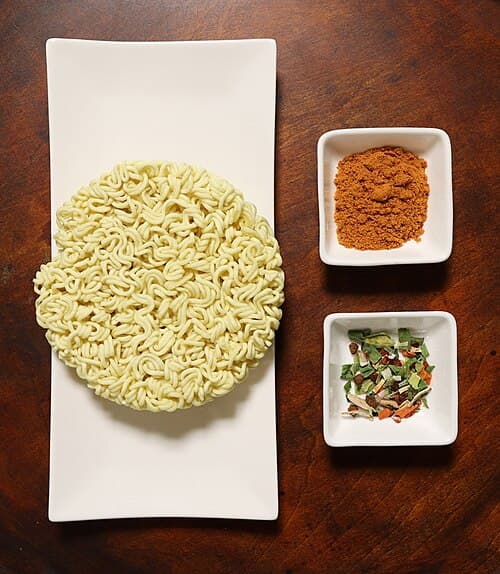
Nongshim
Shin Ramyun
The red-packet classic that set the bar for spicy Korean ramyeon.
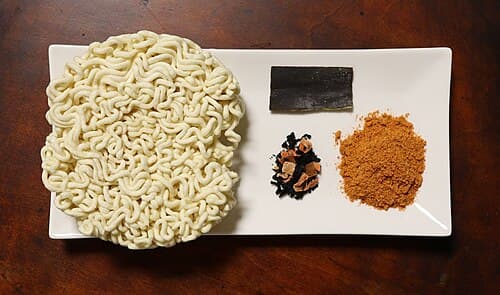
Nongshim
Neoguri (Spicy Seafood)
Thick, chewy noodles in a spicy seafood broth, with a real piece of kelp.
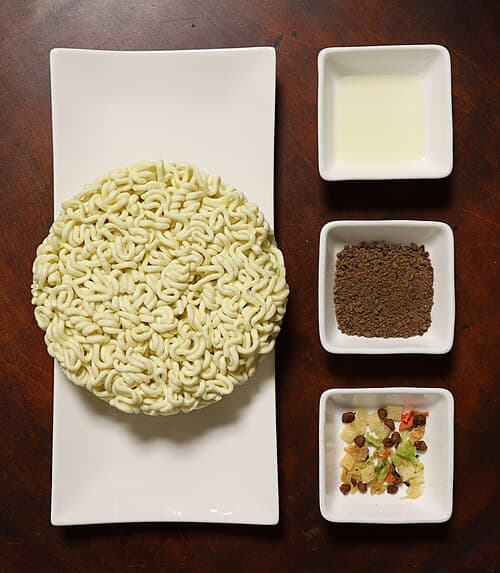
Nongshim
Chapagetti
Instant jjajangmyeon: glossy black bean noodles with zero spice.
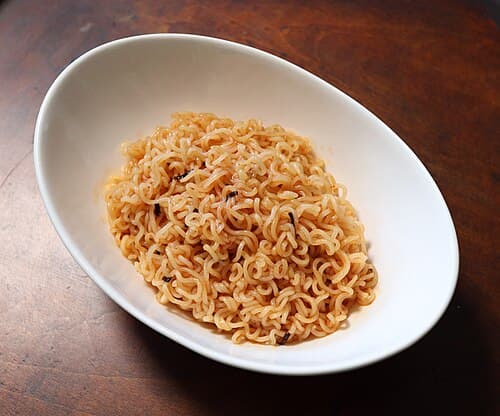
Paldo
Paldo Bibim Men
The sweet, tangy, chilled noodles Koreans reach for the moment summer arrives.