
Paldo · Cold noodles
·★4.7(190 reviews)Paldo Bibim Men
팔도 비빔면 (Paldo Bibimmyeon)
The sweet, tangy, chilled noodles Koreans reach for the moment summer arrives.
- Heat
- 2/5
- Cook
- 3′
- Water
- 550ml
- Calories
- 530kcal
What Paldo Bibim Men tastes like
Bibim means mixed, and that is the whole idea here: there is no soup at all. The packet holds a glossy red liquid sauce that tastes sweet first, then sour, then gently spicy, with a toasty sesame finish at the end. It sits closer to a chilled noodle salad than to a bowl of ramyeon. The heat is modest, more of a tingle on the lips than a real burn, and the sugar and vinegar keep everything bright instead of heavy. On a sticky August afternoon it tastes the way a cold drink feels.
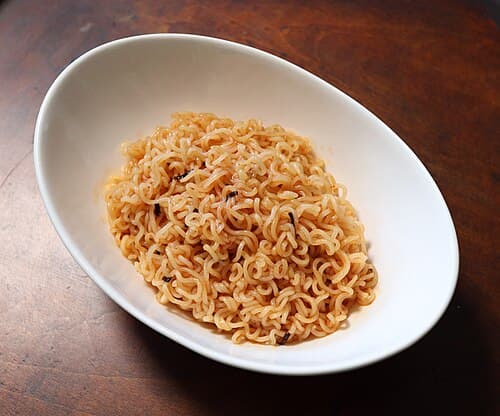
The noodles are thinner than standard soup ramyeon, and the method is different: you cook them, drain them, then rinse them hard under cold running water. That rinse washes off the surface starch and tightens the strands, so they turn springy and a little slippery rather than soft. If you skip it, or rinse in lukewarm tap water, the noodles clump together and the sauce turns gluey. Done properly, every strand carries a thin sheen of sauce and keeps a satisfying chew even after a few minutes on the table.
Paldo's bibim noodles have been a summer fixture in Korea for decades, and the product is so tied to hot weather that many households stock up on multipacks as soon as the rainy season starts. Koreans like to joke that one pack is never enough, because a single portion is smaller than a regular ramyeon, and plenty of people cook two at once. A very common pairing is grilled pork belly or other Korean barbecue, where the cold, tangy noodles cut through the fat. At home, most people simply add sliced cucumber and half a boiled egg.
Try it if you like Korean cold noodles such as bibim naengmyeon but want something ready in ten minutes, or if a steaming bowl of spicy soup feels like too much in warm weather. It is also a good pick for anyone who enjoys sweet heat, the kind you find in tteokbokki or gochujang chicken. If you dislike sweetness in savory food, you may find it a little sugary; a squeeze of lemon or a dash of extra vinegar helps. Spice-sensitive eaters usually manage fine, especially with plenty of cucumber on top.
How to cook it
Based on typical package directions (about 550 ml water, 3 minutes). Recipes vary by country, so check your package.
- 1
Bring about 550 ml of water to a rolling boil. You will drain it all, so the exact amount matters less than with soup ramyeon.
- 2
Add the noodles and cook for about 3 minutes, loosening them with chopsticks after the first minute. Check your package, since times vary slightly by market.
- 3
Drain into a colander, then rinse under cold running water for 20 to 30 seconds, rubbing the noodles gently between your fingers to remove surface starch.
- 4
For the best texture, dunk the rinsed noodles in a bowl of ice water for about 30 seconds, then drain very well. Any water left clinging to the noodles dilutes the sauce.
- 5
Transfer to a bowl, squeeze in the liquid sauce packet and mix thoroughly with chopsticks until every strand is red and glossy.
- 6
Top with julienned cucumber and half a boiled egg, and eat right away while the noodles are still cold.
How to make Paldo Bibim Men even better
Treat cucumber as essential
Cut about a third of a cucumber into thin matchsticks and pile it on top. The crunch and cool, watery bite balance the sweet-sour sauce and turn the bowl into something closer to a meal. Korean cucumbers are thin-skinned, but English or Persian cucumbers work just as well. If yours has large watery seeds, scoop them out first so the sauce stays thick.
Two packs, one and a half sauces
One pack is small, so many Koreans cook two. If you do, try one full sauce packet plus about half of the second. Two full packets can taste overly sweet and salty once the noodles are coated. Keep the leftover sauce in a small covered dish in the fridge and use it the next day as a dip for boiled eggs or raw vegetables.
Serve it next to grilled meat
Bibim noodles beside grilled pork belly or bulgogi is a classic Korean barbecue combination. Wrap a few strands around a slice of hot meat and eat it in one bite. The cold, tangy sauce cuts the richness, and the warm meat makes the noodles taste fuller. Leftover barbecue from the night before, reheated briefly in a hot pan, works perfectly.
Adjust with vinegar and gochugaru
If the sauce tastes flat to you, add half a teaspoon of rice vinegar and a pinch of crushed toasted sesame seeds. A few drops of sesame oil help it cling. For more heat without more sweetness, stir in a little gochugaru (Korean chili flakes) rather than extra gochujang, which would push the sugar level up even further.
Related guides
Cold Ramyeon for Hot Days: Bibim-myeon and Easy Variations
How to make chilled bibim-myeon properly, plus easy cold ramyeon variations with cucumber, kimchi and homemade sauce for the hottest days of summer.
7 min read
6 Ways to Add Egg to Ramyeon (and When to Use Each)
Whole poached, swirled, half-broken, jammy, fried or a raw yolk: six ways Koreans add egg to ramyeon, with timings and which noodle style suits each method.
7 min read
Korean Ramyeon Spice Levels Explained (and How to Tame the Heat)
How our 0 to 5 spice scale works, where popular Korean ramyeon land on it, and simple kitchen tricks to make hot noodles milder without losing flavor.
7 min read
Buying Korean Ramyeon Abroad: How to Read the Package
Learn the key Korean words on ramyeon packages, how multipacks and cups differ, where to buy outside Korea, how to store them and how to choose by taste.
8 min read