
Nongshim · Soup ramyeon
·★4.7(226 reviews)Shin Ramyun
신라면 (Sin-ramyeon)
The red-packet classic that set the bar for spicy Korean ramyeon.
- Heat
- 3/5
- Cook
- 4.5′
- Water
- 550ml
- Calories
- 500kcal
What Shin Ramyun tastes like
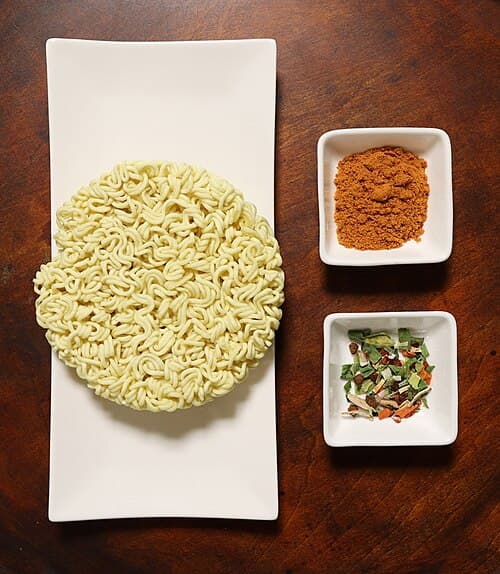
Shin Ramyun tastes like the word most Koreans would use for it: eolkeunhada, that clean, throat-warming spiciness you feel more than you taste. The broth is built on a beef-style base with red chili, garlic and a noticeable shiitake earthiness that keeps it from being just hot water with pepper. It is salty and savory, with a slight sweetness at the end. The dried flakes add rehydrated mushroom, carrot and green onion, so the soup has a little texture rather than being completely plain.
The noodles are medium-thick, wavy and fried, and they hold up well. Cooked for the full time on the package, they turn springy with a gentle bite. Many Koreans pull them about 30 seconds early because they keep softening in the hot soup while you carry the pot to the table. If you like noodles firm, lift them with chopsticks a few times while boiling; the contact with air tightens the surface and gives a more elastic chew.
Nongshim launched Shin Ramyun in 1986, and the character on the red packet, sin, means spicy. It has been one of the best-selling ramyeon in Korea for decades and is the one you will find in almost every supermarket abroad. At home it is often eaten straight from the pot lid, with kimchi on the side and a scoop of rice dropped into the leftover broth at the end. It is the default late-night ramyeon, the after-hiking ramyeon and the hangover ramyeon.
If you have never tried Korean ramyeon, start here. The heat is real but manageable for most people who enjoy jalapeño-level spice, and the flavor is a reference point for everything else on this site. Once you know how Shin tastes, it becomes easier to describe others as milder, richer or hotter. It is also a great base for experiments, because the broth is strong enough to carry eggs, cheese, kimchi or dumplings without getting lost.
How to cook it
Based on typical package directions (about 550 ml water, 4.5 minutes). Recipes vary by country, so check your package.
- 1
Bring about 550 ml (roughly 2 1/3 cups) of water to a rolling boil in a small pot.
- 2
Add the soup powder and the vegetable flake packet first, so the broth starts seasoning right away.
- 3
Add the noodle block and cook for about 4 minutes 30 seconds, or check the time printed on your package.
- 4
After about 2 minutes, loosen the block with chopsticks and lift the noodles out of the broth a few times to firm them up.
- 5
If adding an egg, crack it in during the last minute and leave it undisturbed for a soft yolk, or stir for a cloudy broth.
- 6
Turn off the heat about 30 seconds before you think it is done, since the noodles keep cooking in the bowl, and serve right away.
How to make Shin Ramyun even better
Add green onion at the very end
Slice one stalk of pa (green onion) on a diagonal and drop it in after you turn off the heat. Thirty seconds in the hot broth is enough to soften it while keeping the sharp, sweet onion smell. It brightens the chili flavor in a way the dried flakes cannot, and it costs almost nothing.
Make it creamy with one slice of cheese
Lay a single slice of American cheese on top of the noodles once they are in the bowl and wait about a minute before stirring. It melts into the broth and rounds off the heat. Use only one slice; two can make the soup heavy and dull the spice that makes Shin worth eating.
Cook kimchi in the broth
Add a small handful of well-fermented kimchi with the soup powder so it simmers for the full cooking time. Sour, older kimchi works better than fresh because it adds tang and depth. Reduce the soup powder by about a quarter, since kimchi brings its own salt and you do not want the broth to turn harsh.
Finish with rice in the leftover broth
Koreans rarely waste the soup. When the noodles are gone, add a few spoonfuls of cooked rice to the remaining broth, let it soak for a minute and eat it with kimchi. This is called mari, roughly meaning rolled or soaked in. Day-old rice works best because it soaks up broth without going mushy.
Famous Hacks Using Shin Ramyun
Chef Lee Yeon-bok’s Smoky Meat Jjambbong Hack
이연복 셰프의 고기 짬뽕라면 (면수 비법)
💡 The Secret Kick
Sauté pork and vegetables with chili powder to build fresh wok chili oil, then splash starchy noodle cooking water (면수) directly into the pan.
Master Chef Lee Yeon-bok is famous for teaching home cooks how professional Chinese culinary principles can rescue humble supermarket ingredients.
Base Noodles
Baek Jong-won’s Scallion Oil Stir-Fried Ramyeon
백종원의 초간단 대파기름 볶음라면
💡 The Secret Kick
Use strictly half a packet of seasoning powder; fry cooked noodles in scallion oil over roaring heat for 60 seconds.
In the earliest days of MBC’s My Little Television, Baek Jong-won took live audience requests from students and bachelors who were sick of plain soup ramyeon.
Base Noodles
Sung Si-kyung’s "Shin-Sae" Timed Double Heat
성시경의 신새라면 (신라면 + 틈새라면 시간차 조리)
💡 The Secret Kick
Time the noodle cakes: Shin noodles require 4.5 minutes, Teumsae needs 3.5 minutes. Drop Shin exactly 60 seconds before Teumsae.
Singer Sung Si-kyung is renowned in Korea for having an uncompromising palate and encyclopedic drinking knowledge.
Base Noodles
The Viral Shin Ramyun Toowoomba Pasta
SNS 대란의 신라면 투움바 파스타
💡 The Secret Kick
Sauté garlic and bacon in butter, then simmer cooked noodles in 250 ml whole milk, 2 cheddar cheese slices, and 1/2 pack Shin powder.
Outback Steakhouse’s "Toowoomba Pasta"—spicy fettuccine tossed with cream, parmesan, garlic, and cayenne—has been a cult favorite in South Korea for over 25 years.
Base Noodles
Related guides
How to Cook Korean Instant Ramyeon the Right Way
Water amounts, pot choice, when to add the powder and flakes, exact timing and the noodle-lifting trick Korean home cooks use for chewy, well-seasoned ramyeon.
7 min read
15 Toppings That Make Any Korean Ramyeon Better
From egg and cheese to kimchi, mandu, Spam and gim, here are 15 ramyeon toppings with exactly when and how to add each one so nothing turns soggy or overcooked.
8 min read
6 Ways to Add Egg to Ramyeon (and When to Use Each)
Whole poached, swirled, half-broken, jammy, fried or a raw yolk: six ways Koreans add egg to ramyeon, with timings and which noodle style suits each method.
7 min read
Korean Ramyeon Spice Levels Explained (and How to Tame the Heat)
How our 0 to 5 spice scale works, where popular Korean ramyeon land on it, and simple kitchen tricks to make hot noodles milder without losing flavor.
7 min read
If you like Shin Ramyun, try
Ottogi
Jin Ramen Spicy
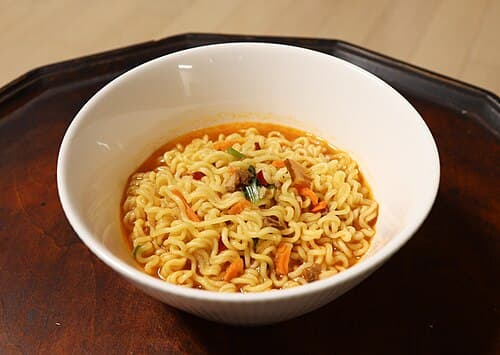
The red Jin Ramen: a punchy, savory rival to Shin Ramyun.
Ottogi
Ottogi Jin Jjambbong
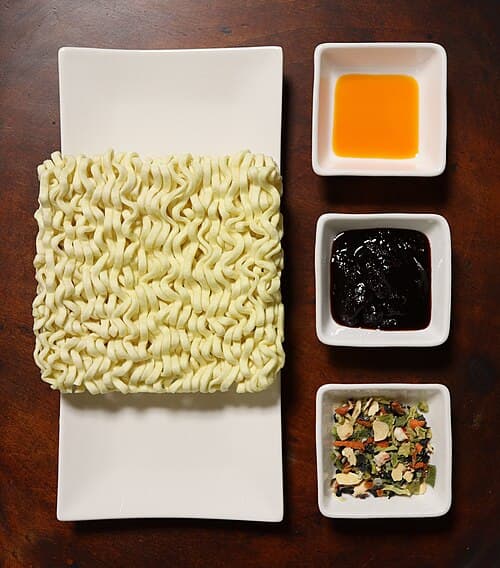
Korean-Chinese spicy seafood soup with a smoky, wok-fired edge.
Ottogi
Ottogi Sesame Ramen
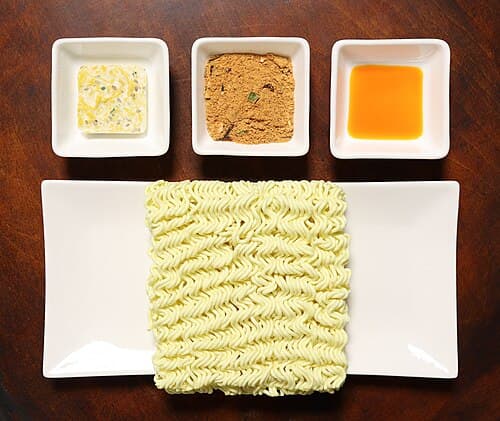
Spicy broth, a nutty sesame finish and a little block of egg that blooms in the pot.