
Skip to content

라면 · Ramyeon guide in English

Find the Korean ramyeon you'll love, then cook it like a local.

20 popular Korean instant noodles tasted and explained, 12 in-depth cooking guides, and a simple tool that suggests a ramyeon based on the ingredients already in your fridge.

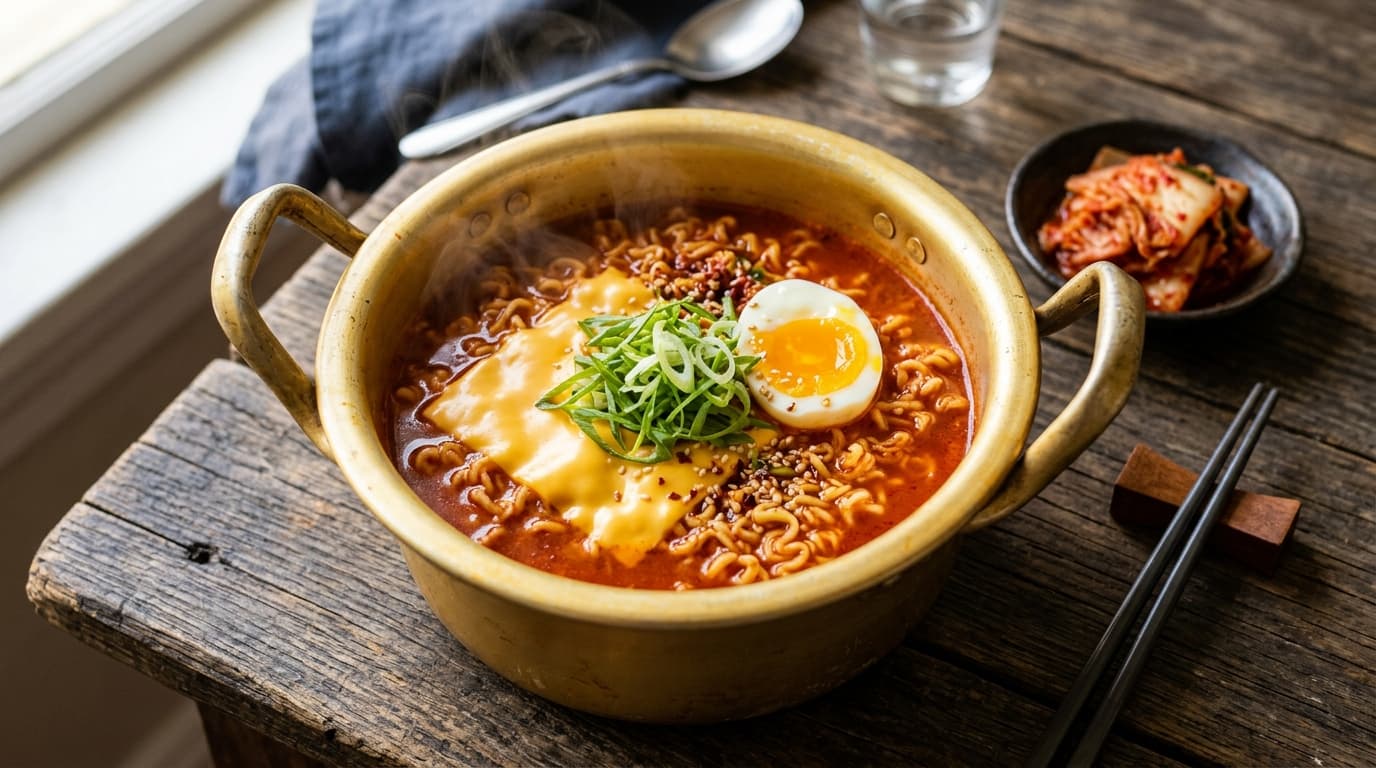
Spicy Korean ramyeon in a yellow aluminium pot with cheese, a soft egg, green onion and kimchi on the side

What is Korean ramyeon?

라면 (ra-myeon)

Ramyeon is the Korean word for instant noodles. The first Korean instant ramyeon, Samyang Ramen, appeared in 1963, and within a few decades it had become one of the most common meals in the country. Koreans eat more instant noodles per person than almost anyone else in the world, and most households keep a multipack in the cupboard at all times.

Compared with Japanese-style instant ramen, Korean ramyeon usually has thicker, chewier noodles and a bolder soup built on red chili, garlic and beef or seafood flavor. It is cooked in a pot rather than soaked in a cup, eaten straight from that pot (often using the lid as a plate), and finished with whatever is around: an egg, green onion, a slice of cheese, kimchi on the side, and a spoonful of rice in the leftover broth.

This site explains each popular ramyeon in plain English: how spicy it really is, what the broth tastes like, how to cook it so the noodles stay springy, and what to add to make it better.

📜Special Feature · 60-Year Epic Saga

The 60-Year Epic Saga of Korean Ramyeon: From 10-Won Miracle to Global Phenomenon

한국 라면 60년 대하드라마: 1963 남대문 꿀꿀이죽에서 전 세계 불닭 신화까지

From a 10-won post-war relief food in 1963 to the brotherly rivalry behind Nongshim, the rise of Shin Ramyun, the 1989 tallow crisis, and today the worldwide Buldak sensation—explore the dramatic 60-year illustrated history of Korea's favorite comfort food.

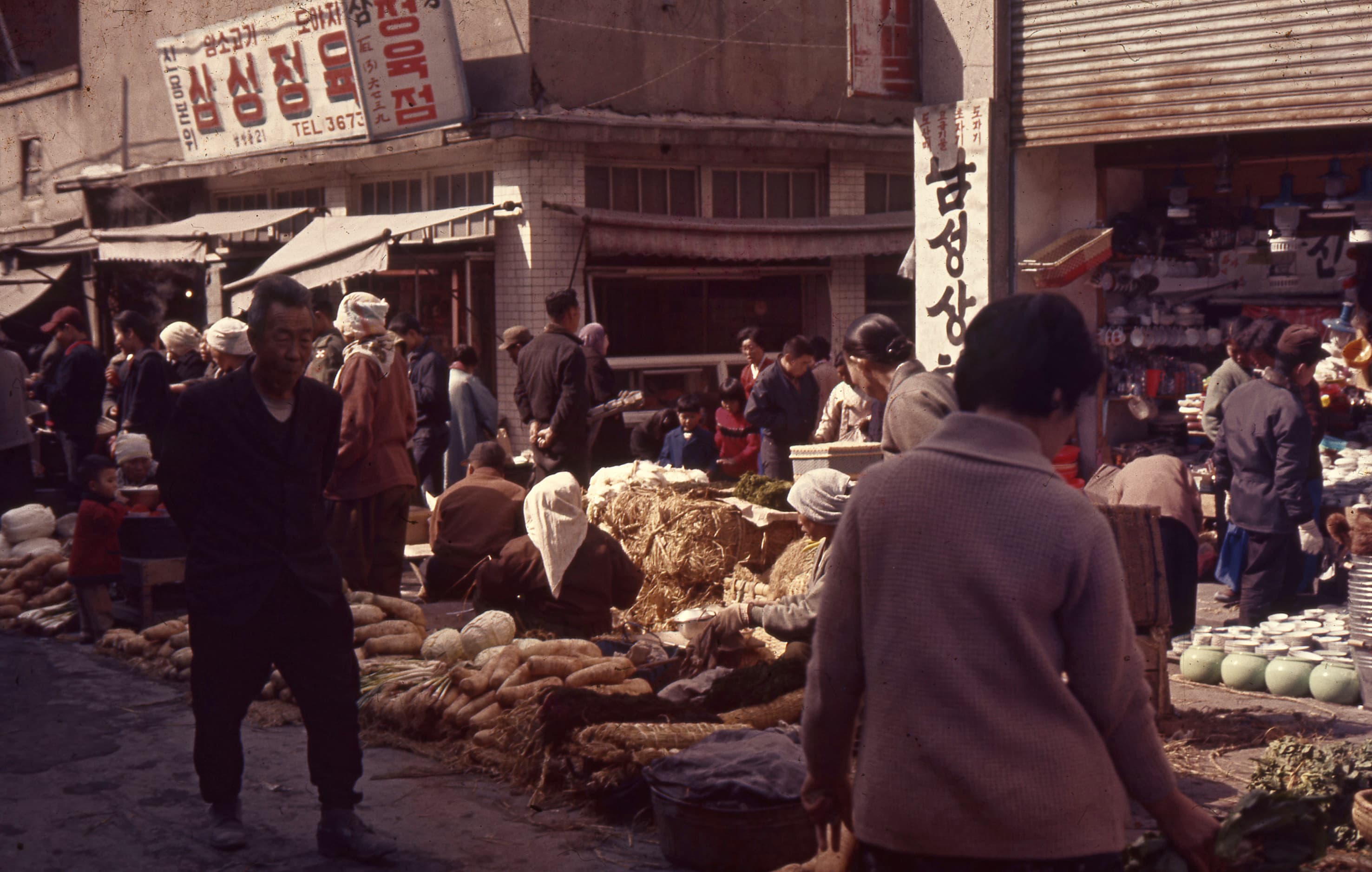
1959 Namdaemun Market

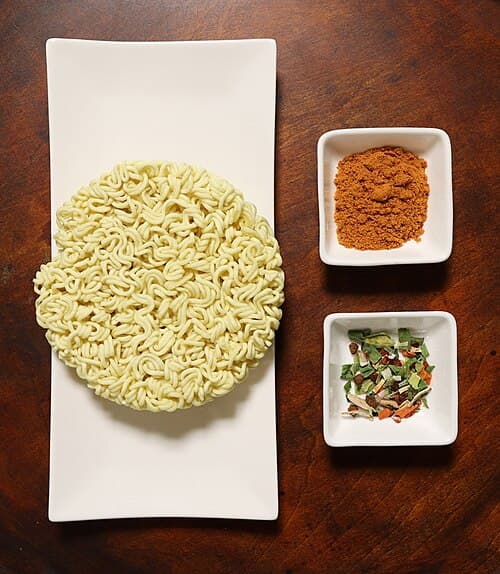
1963: Samyang's First Bowl

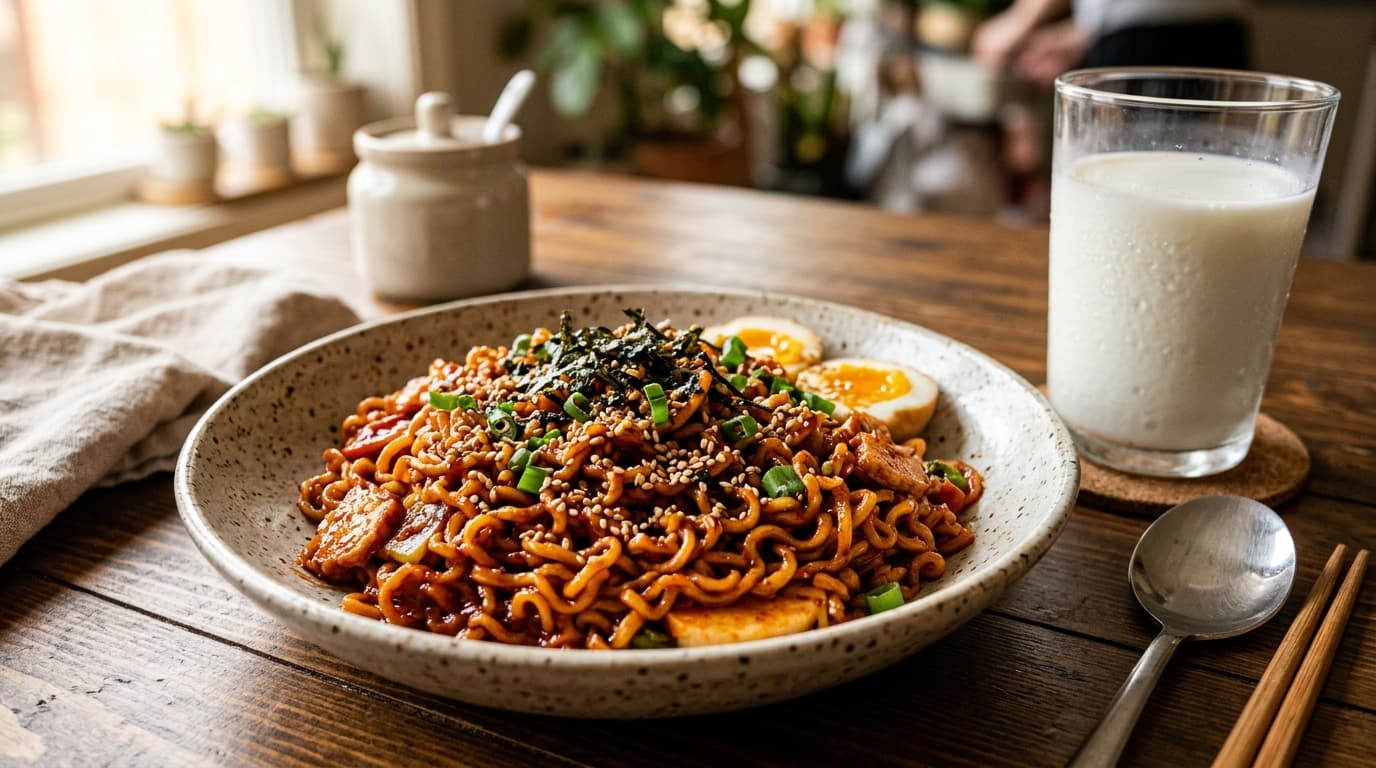
Shin Ramyun & Buldak

Shin Ramyun & Buldak Era

Four kinds of Korean ramyeon

Almost every Korean instant noodle falls into one of these styles. Knowing which one you are in the mood for is half the decision.

Where to start

Six noodles that cover the whole range, from no heat to very hot.

🔥Korean TV Shows & Viral Inventions

Celebrity Ramyeon Hacks

Famous recipes created by Korean TV legends, Michelin-trained chefs, and K-Pop stars.

Explore all 13 hacks →
🐔Cultural PhenomenonShow

Lee Kyung-kyu’s Kkokkomyeon (White Chicken Broth)

이경규의 원조 꼬꼬면 (하얀 국물 닭육수)

Lee Kyung-kyu (이경규)·KBS2 Qualifications of Men (남자의 자격)(March 2011 (Episodes 330–331))

💡 The Secret Kick

Whip only the egg whites into the boiling broth; keep the yolk out to keep the soup crystal clean and spicy-clear.

In March 2011, during a special ramyeon cooking competition on KBS2 Qualifications of Men, veteran comedian Lee Kyung-kyu entered with an unusual idea: rather than the standard deep red beef soup, he simmered chicken stock, shredded chicken breast, and diced cheongyang green chili peppers.

⏱️ 5 mins🍳 Easy🔥 Fun: 5/5

Base Noodles

🍜 Chicken broth base or Sari Gomtang
5 steps · 6 ingredientsCook This Hack →
🥩Oscar Winning ComboShow

The Legendary Chapaguri (Ram-don)

김성주 & 윤민수의 짜파구리 (기생충 Ram-don)

Kim Sung-joo & Yoon Min-soo·MBC Dad! Where Are We Going? (아빠! 어디가?)(February 17, 2013 (Episode 5))

💡 The Secret Kick

The golden ratio: 1 full pack of Chapagetti black bean seasoning plus exactly 1/2 (to 2/3) pack of spicy Neoguri powder.

On February 17, 2013, on MBC’s family camping reality show Dad! Where Are We Going?, broadcaster Kim Sung-joo cooked a mashup of sweet black bean Chapagetti and seafood-spicy Neoguri for 7-year-old Yoon Hoo.

⏱️ 7 mins🍳 Easy🔥 Fun: 5/5

Base Noodles

🍜 Chapagetti🍜 Neoguri
7 steps · 5 ingredientsCook This Hack →
🥢Fine Dining HackShow

Yoo Jae-suk’s Luxury Yusanseul Ramyeon

유재석 (라섹)의 인생라면: 유산슬 라면

Yoo Jae-suk (유재석) with Chef Park Eun-young·MBC Hangout with Yoo (놀면 뭐하니?)(January 18, 2020 (Episode 26))

💡 The Secret Kick

Sari Gomtang bone broth topped with a glossy, starch-thickened wok stir-fry of pork, sea cucumber, bamboo shoots and oyster sauce.

Following his success as trot singer "Yoo San-seul," Yoo Jae-suk opened a small ramyeon shop in Seoul for the Hangout with Yoo project.

⏱️ 10 mins🍳 Advanced🔥 Fun: 5/5

Base Noodles

🍜 Sari Gomtang
5 steps · 9 ingredientsCook This Hack →
✈️Seoul Travel Guide

Visiting Korea? Explore Seoul’s Top Ramyeon Spots

From the 100-packet CU Ramyeon Library in Hongdae to bubbling foil bowls at Yeouido Hangang River Park, and all-you-can-eat noodle buffets at Dookki. Includes one-click Korean address copy for Naver Map!

Explore Seoul Spots →

Got eggs, cheese and kimchi? We'll pick the noodle.

Tick the ingredients you like, set how much heat you can handle, and Find My Ramyeon ranks all 20 noodles for you, with step-by-step instructions for adding each ingredient.

Try Find My Ramyeon

How to eat it well

Techniques, recipes and a bit of culture.

Three rules for a better bowl

01

Measure the water

Most Korean ramyeon wants about 500–550 ml. Too much water is the number one reason a bowl tastes flat. Use a measuring cup the first few times, then remember the line on your pot.

02

Pull the noodles early

Noodles keep cooking in hot broth. Turn off the heat 30 seconds before the package time and they will still be springy (Koreans call it jjolgit-jjolgit) when you sit down.

03

Lift and air the noodles

While they boil, lift the noodles out of the broth with chopsticks a few times. The quick contact with air firms up the surface and gives a chewier bite.

Frequently asked questions

What is the difference between ramyeon and Japanese ramen?+

Both are wheat noodles in broth, but in Korea "ramyeon" almost always means instant noodles cooked at home in a few minutes. Japanese ramen usually refers to fresh noodles served in restaurants with long-simmered broth. Korean instant ramyeon also tends to be spicier, with chili-based soup powders and thicker, chewier fried noodles.

Which Korean ramyeon should a beginner try first?+

Start in the middle of the heat scale. Shin Ramyun (3/5) is the benchmark most Koreans compare everything to. If you are sensitive to heat, Jin Ramen Mild or Chapagetti (no heat at all) are safe first picks. Leave Buldak original and Teumsae until you know your limit.

Do I have to use the whole seasoning packet?+

No. The packets are designed for the full amount of water printed on the bag. If you like it less salty or less spicy, start with two-thirds of the powder, taste, and add more. You can always add, but you cannot take it out.

Why do Koreans add rice to leftover ramyeon broth?+

Because the broth is seasoned and fatty enough to make a quick porridge-like second course. A few spoonfuls of cooked rice soaked in the last of the soup is a habit almost every Korean grows up with.