
A Short History of Korean Instant Ramyeon
From the first Samyang Ramen in 1963 through Shin Ramyun and Buldak to the K-content boom, a short and readable history of Korean instant ramyeon.
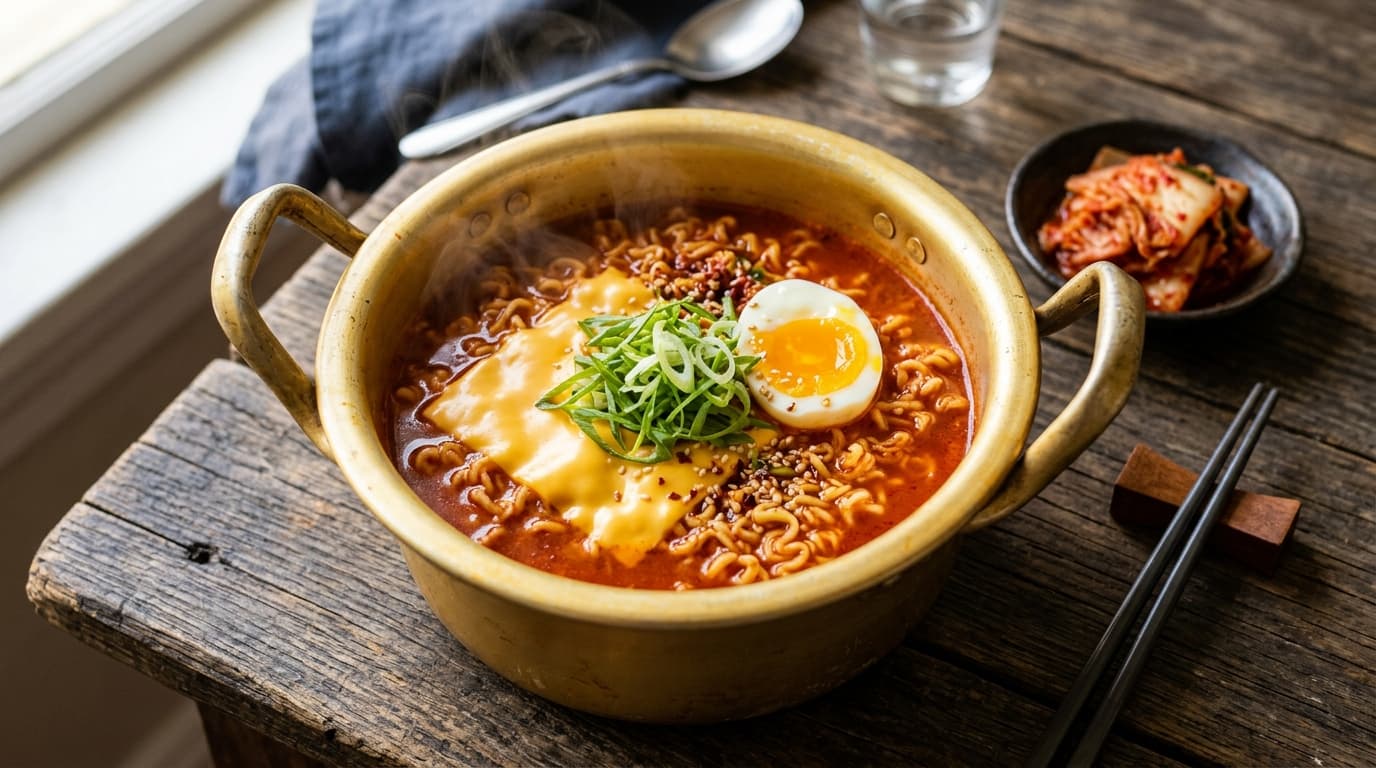
Ramyeon feels so woven into everyday Korean life that it is easy to forget how young it is. Instant noodles have only been made in Korea for about six decades. In that time they went from an unfamiliar import idea to a cheap way to fill hungry stomachs, then to a national comfort food, and finally to one of the country's best-known exports.
This is a short tour of that story. We stick to the milestones that are well documented and keep the rest deliberately general, because company histories and popular retellings do not always agree on the small details.
Before ramyeon: a country short on food
The Korean War ended in 1953 and left much of the country in poverty. Through the late 1950s and early 1960s, many families struggled to get enough to eat, and rice in particular was scarce and expensive. Wheat flour, much of it arriving through foreign food aid, was more available than rice, but it was not yet part of everyday Korean cooking in the way rice was.
The story most often told about the birth of Korean ramyeon starts here. Jeon Joong-yoon, the founder of Samyang Foods, is said to have seen long lines of people waiting for cheap porridge made from scraps in Seoul and decided that a filling, low-cost noodle could help. Instant noodles had recently become a hit in Japan, and that looked like a model worth bringing home.
1963: Samyang Ramen, the first Korean instant ramen
In 1963, Samyang Foods released Samyang Ramen, generally recognized as the first instant ramen made in Korea. The company brought in production know-how from Japan, where instant noodles had been invented a few years earlier. The early version had a mild, chicken-based broth that was quite different from the bold, spicy bowls Korea is known for today.
Sales were slow at first. Many people had simply never seen anything like it, and a story often repeated in Korea says some shoppers assumed the name referred to fabric or yarn, since the word myeon can also mean cotton. Free tastings and low prices helped, and over time the seasoning was adjusted toward Korean tastes, with more savory depth and, eventually, more chili.
Samyang Ramen is still on shelves today, and many older Koreans think of it as the taste of their childhood.
Flour campaigns and the ramyeon boom
During the 1960s and 1970s, the Korean government ran campaigns encouraging people to eat more flour-based foods and mixed grains so that rice supplies would stretch further. Noodles fit that goal neatly, and instant ramyeon, which was cheap, filling and quick, benefited from the push.
Other companies soon joined in. The company now known as Nongshim entered the market in the mid-1960s, and competition gradually brought more flavors, better noodles and new formats. Cup and bowl noodles followed in the years after, making ramyeon something you could eat on a train, at a desk or on a hiking trip.
By the time Korea's economy was growing quickly, ramyeon had shifted from emergency food to a convenient everyday meal. It was the thing students, soldiers and busy workers could all afford.
The 1980s: the classics arrive
A surprising number of the noodles Koreans still buy most often were born in the 1980s. Nongshim introduced Neoguri, with its thick noodles and seafood-flavored spicy broth, and Chapagetti, an instant take on the Korean-Chinese black bean noodle dish jjajangmyeon, early in the decade. Ansungtangmyun, with its doenjang (soybean paste) based broth, followed soon after.
In 1986, Nongshim launched Shin Ramyun. Its spicy beef broth and red package, printed with the Chinese character for spicy, became the image of Korean ramyeon for millions of people at home and abroad. The name itself comes from that character, pronounced sin in Korean.
Ottogi's Jin Ramen arrived in the late 1980s, offering a mild and a spicy version side by side, and Paldo Bibim Men gave Korea a sweet, tangy cold option for summer. By the end of the decade, the line-up most Koreans grew up with was largely in place.
Ramyeon goes abroad
For a long time, Korean ramyeon overseas meant a few shelves in Korean grocery stores serving immigrant communities. Shin Ramyun led the way, becoming one of the most widely exported Korean food products and a familiar sight in Asian supermarkets around the world.
As demand grew, the largest makers built factories abroad so they could supply nearby markets directly, which is one reason the same brand can taste slightly different depending on where you buy it. Korean ramyeon also became a fixture of care packages sent to students and workers living overseas, along with gim and instant rice.
Through the 2000s, mainstream supermarkets in many countries began stocking at least one or two Korean noodles, usually Shin Ramyun first. That set the stage for what came next.
2012: Buldak and the fire noodle challenge
In 2012, Samyang Foods launched Buldak Bokkeummyeon, a stir-fried noodle inspired by buldak, the fiery chicken dish that was popular in Korea at the time. It had no soup at all, just a thick, intensely hot sauce, and it was much spicier than anything most ramyeon fans were used to.
In the mid-2010s, video creators started filming themselves trying to finish a plate, and the Fire Noodle Challenge spread across YouTube and social media. Red faces and desperate gulps of milk turned an already popular product into a global talking point. Samyang followed with many variations, such as carbonara, cheese and milder versions, and Buldak became one of the best-known Korean food brands in the world.
Parasite, K-dramas and ram-don
Korean films and dramas have long shown characters eating ramyeon, often late at night or at moments of comfort. In 2019, Bong Joon-ho's Parasite gave that habit a worldwide stage. In one scene, the housekeeper cooks jjapaguri, a mix of Chapagetti and Neoguri, topped with sirloin steak. The English subtitles called it ram-don, a made-up word combining ramen and udon.
After Parasite won Best Picture at the Academy Awards in 2020, people around the world went looking for the recipe, and combination packs appeared in stores. Combined with the wider popularity of K-dramas and K-pop, scenes like this helped turn Korean ramyeon from a specialty item into something many people outside Korea now buy without a second thought.
Final takeaway
In about sixty years, Korean instant ramyeon has gone from a cheap answer to hunger to a comfort food and a cultural export. The packets on your shelf carry a bit of that history: Samyang Ramen from the very beginning, Shin Ramyun and Chapagetti from the 1980s, and Buldak from the social media age. Cooking one of each is a pretty good history lesson in itself.
Featured ramyeon in this guide
Noodles that pair best with these techniques and recipes.
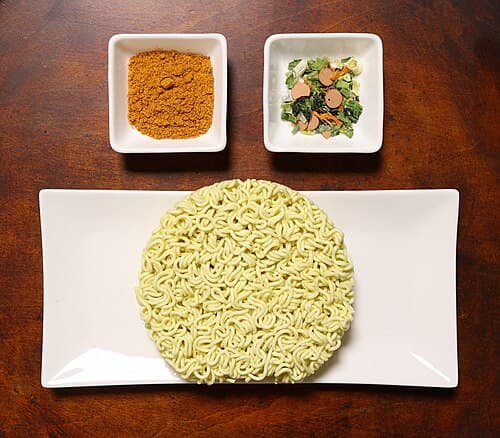
Samyang
Samyang Ramen
The descendant of Korea's very first instant ramyeon, from 1963.
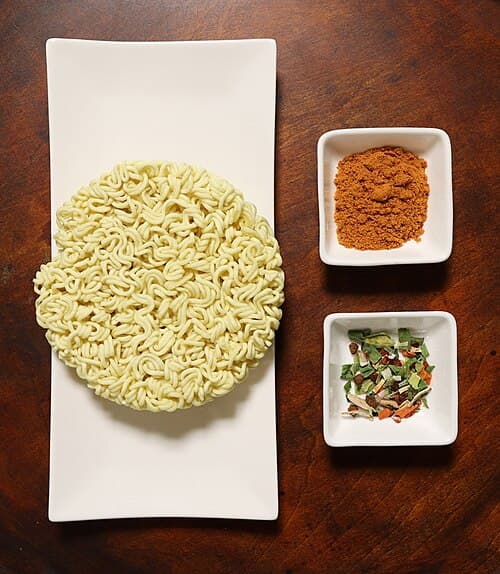
Nongshim
Shin Ramyun
The red-packet classic that set the bar for spicy Korean ramyeon.
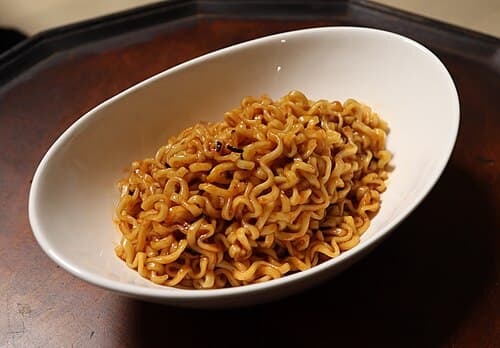
Samyang
Buldak Hot Chicken Flavor Ramen
The famously fiery stir-fried noodle that launched a thousand challenge videos.
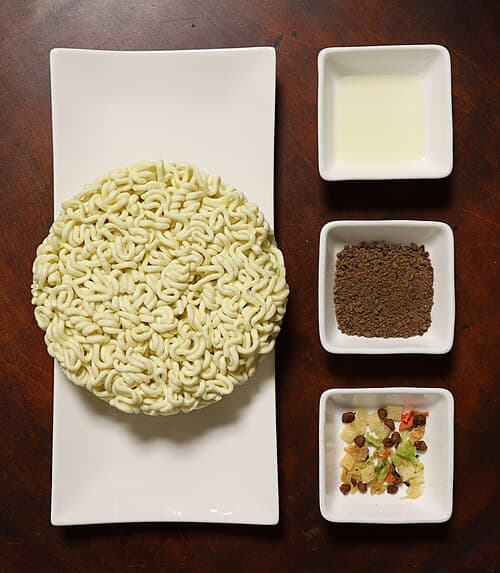
Nongshim
Chapagetti
Instant jjajangmyeon: glossy black bean noodles with zero spice.