
How Koreans Actually Eat Ramyeon
From eating off the pot lid to Han River cooking machines and rice in the leftover broth, here is how Koreans really eat instant ramyeon day to day.
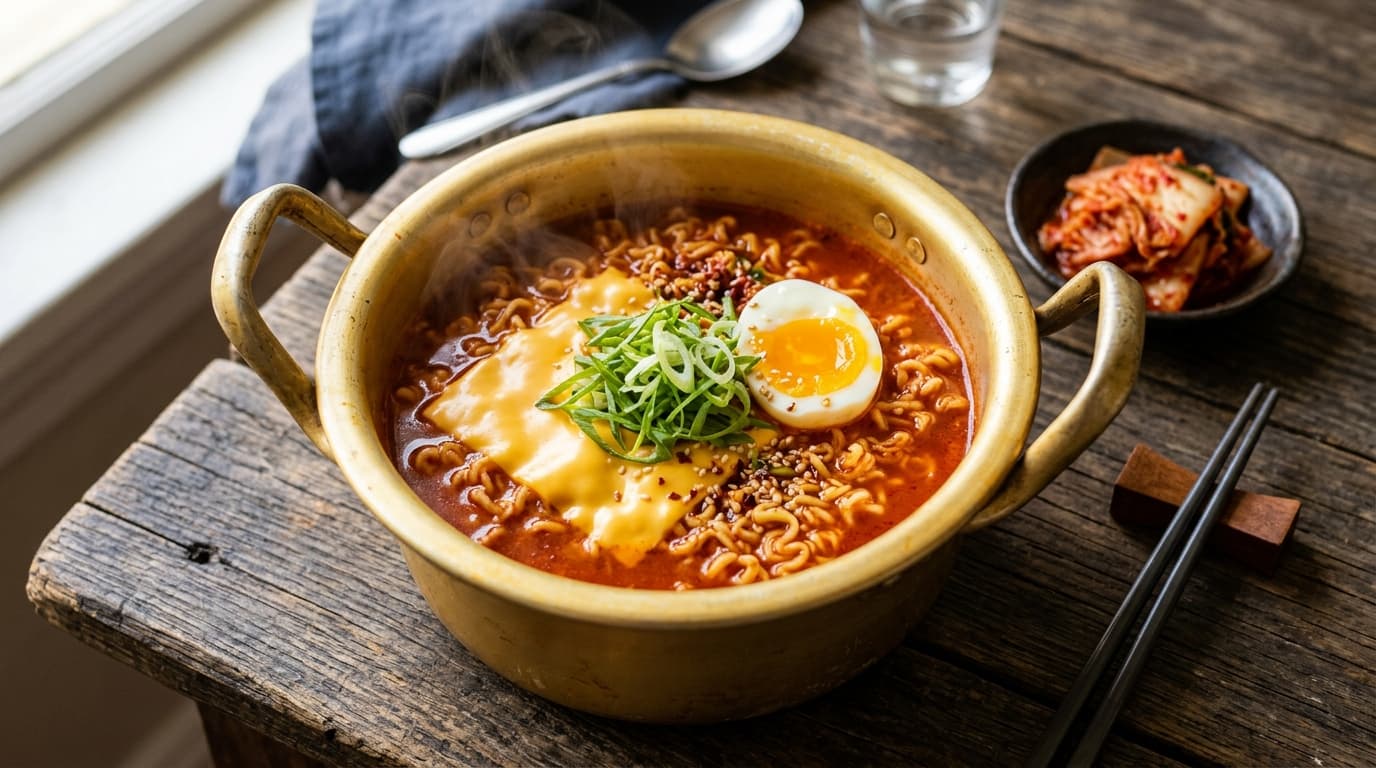
In Korea, ramyeon is not a novelty or a student-only food. It is what you make when you get home late, what you share at a riverside picnic, what a parent cooks on a lazy Sunday and what you eat standing at a convenience store counter between classes. Korea regularly ranks among the countries that eat the most instant noodles per person, and the habits around ramyeon are almost as recognizable as the noodles themselves.
None of these customs are rules. They are simply the things you would notice after a few weeks of living with a Korean family or sharing a flat with Korean friends, and most of them are easy to borrow at home.
Straight from the pot, onto the lid
Walk into almost any Korean kitchen and you will find a small, dented, gold-colored aluminum pot called a yangeun naembi. It is thin and cheap, and that is exactly the point. It heats up fast, so the water boils in a couple of minutes, and it cools quickly once you pull it off the burner, so the noodles stop cooking sooner.
Many people never bother with a bowl at all. The pot goes on the table on top of a trivet, an old magazine or a folded towel, and the lid becomes a plate. You lift a tangle of noodles onto the naembi ttukkeong (pot lid), let it cool for a few seconds and slurp it from there. It means fewer dishes, and the noodles cool down just enough to eat quickly without burning your mouth.
Ask a Korean why ramyeon tastes better from the pot and you will mostly get a shrug and a smile. It is partly practical and partly nostalgia: this is how it was eaten at home, in dorm rooms and on camping trips.
Convenience store ramyeon
Korean pyeonuijeom (convenience stores) are built for ramyeon. Most have a hot water dispenser, a narrow counter or a few tables, chopsticks, and a whole wall of cup noodles. Students drop in after school, office workers grab a quick lunch, and taxi drivers eat between fares.
The routine is simple. Peel the lid back halfway, add the powder, fill with hot water to the line printed inside the cup, then close the lid and weigh it down with your chopsticks. Wait the three or four minutes on the package, stir and eat right there.
- Cup ramyeon plus samgak gimbap (triangle rice ball wrapped in seaweed) is the classic budget meal.
- Many people drop the rice ball into the leftover broth at the end.
- Some stores sell small bags of kimchi or boiled eggs to go with your cup.
- A carton of banana milk is a common way to finish a spicy cup.
Han River ramyeon
On a warm evening in Seoul, the convenience stores in the parks along the Han River get busy with a very specific kind of customer. People buy a packet of ramyeon, take a disposable paper or foil bowl from the counter, put the noodles and seasoning in it and set it under an automatic ramyeon cooker. The machine adds water and boils it on a hot plate for about three minutes at the push of a button.
You then carry the steaming bowl out to a picnic mat on the grass, often with fried chicken, a cold drink and a view of the bridges lighting up. Hangang ramyeon (Han River ramyeon) became a must-do for visitors after appearing again and again in Korean variety shows and dramas, and similar machines now show up in Korean-style convenience stores in other countries.
Kitchen tip
You can recreate the feel at home: cook your noodles in a shallow pan with a little less water than usual and eat them outside straight from the pan.
Rice in the leftover broth
For many Koreans, the best part of soup ramyeon comes after the noodles are gone. A scoop of rice goes into the leftover broth, gets stirred around and soaks up all that seasoning. This is called bap mal-a meokgi, which roughly means eating rice dropped into soup.
Cold leftover rice from the fridge is actually ideal, because it loosens in the broth without turning mushy. Some people add a torn sheet of gim (roasted seaweed), a spoon of kimchi or a slice of cheese at this stage. In a family, the last person eating often ends up with the pot and the rice.
If you have ever felt bad about leaving a bowl of broth behind, this is the Korean answer. You do not need much rice; a few spoonfuls is enough to turn the last of the soup into a small second course.
Kimchi, danmuji and very few other sides
Ramyeon is a one-pot meal, so it rarely comes with the spread of banchan (side dishes) you see at a Korean restaurant. One side is close to essential, though: kimchi. Napa cabbage kimchi is the default, and many people prefer it well fermented and sour, called sinkimchi or mugeunji. A strand of noodles wrapped around a piece of sour kimchi is about as Korean as a bite gets.
At bunsikjip (snack shops), ramyeon arrives with danmuji, the bright yellow pickled radish, and is often ordered together with gimbap or tteokbokki. At home, the add-ins are usually just gyeran (egg) and chopped pa (green onion). A slice of cheese, some leftover rice cakes or a few dumplings appear when the fridge allows, but nobody expects a big production.
Late-night ramyeon and the morning after
Ramyeon is the king of yasik, the late-night snack. Somewhere around 11 pm, someone in the house says they are hungry, a pot goes on and the smell wakes everyone else up. A long-running joke goes with it: eat ramyeon right before bed and you will wake up with a puffy face, so people will know exactly what you did.
There is also the famous one-bite routine. The cook asks if anyone wants some, everyone says no, and the moment the noodles are ready the same people appear with chopsticks asking for han ip man (just one bite). Experienced cooks simply add an extra half packet from the start.
Soldiers on military service have their own version, known as ppogeuli, where hot water goes straight into the opened noodle bag and the bag itself becomes the bowl. Ask almost any Korean man who served about it and you will probably get a story.
Phrases you will hear around a pot of ramyeon
- Ramyeon meogeullae? (Want to eat some ramyeon?) An everyday question, but after the 2001 film One Fine Spring Day it also became a famously flirty way to invite someone inside.
- Han ip man. (Just one bite.) Rarely only one bite.
- Kkodeul-kkodeul. The firm, springy texture many Koreans prefer, which is why people often turn the heat off 30 seconds early.
- Myeon i bureotda. (The noodles have gone bloated.) Said with real sadness about noodles left sitting in the broth too long.
- Siwonhada. Literally refreshing or cooling, but said about a hot, spicy broth that feels deeply satisfying.
- Haejang. Hangover relief. A hot, spicy bowl the morning after a night out is a very common choice.
Kitchen tip
Saying kkodeul-kkodeul when someone hands you a perfectly firm bowl is an easy way to make a Korean friend laugh.
Final takeaway
Korean ramyeon culture is mostly about comfort and sharing rather than etiquette. Cook in a small pot, eat from the lid, keep kimchi on the table, save a little rice for the broth and always make a bit extra for the person who said they were not hungry. That is about as authentic as it gets.
Featured ramyeon in this guide
Noodles that pair best with these techniques and recipes.
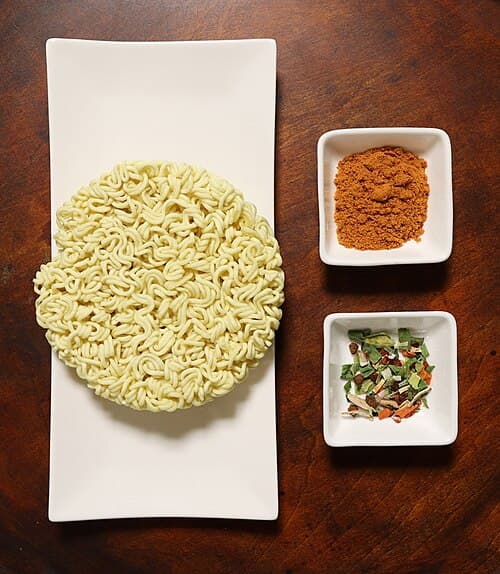
Nongshim
Shin Ramyun
The red-packet classic that set the bar for spicy Korean ramyeon.
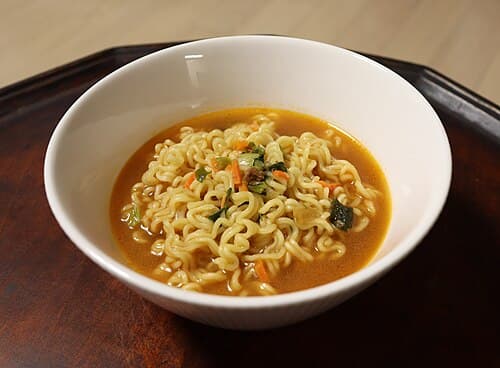
Ottogi
Jin Ramen Mild
Ottogi's gentle, savory everyday ramyeon in the yellow packet.
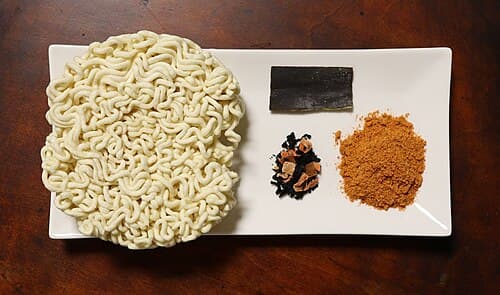
Nongshim
Neoguri (Spicy Seafood)
Thick, chewy noodles in a spicy seafood broth, with a real piece of kelp.
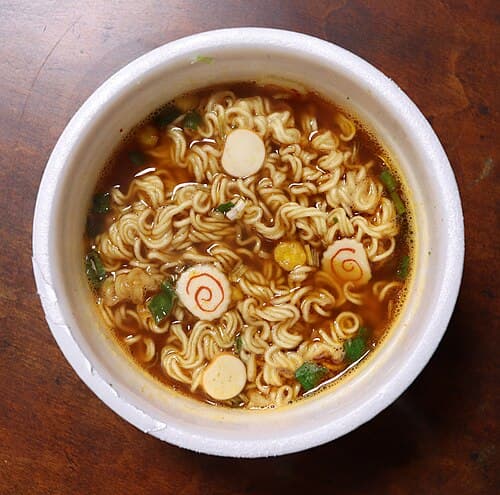
Nongshim
Nongshim Yukgaejang Sabalmyun
The humble bowl noodle every Korean has eaten at a convenience store counter.