
Nongshim · Soup ramyeon
·★4.9(186 reviews)Ansungtangmyun
안성탕면 (Anseong-tangmyeon)
A soybean paste ramyeon with a cozy, savory, homestyle broth.
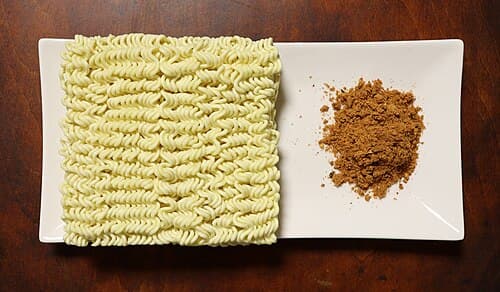
- Heat
- 2/5
- Cook
- 4.5′
- Water
- 500ml
- Calories
- 525kcal
What Ansungtangmyun tastes like
Ansungtangmyun stands out because its broth is built on doenjang, Korean fermented soybean paste, together with a beef-style base and a gentle chili warmth. The result tastes savory, earthy and slightly nutty, a little like a quick doenjang-jjigae (soybean paste stew) in noodle form. It is less spicy than Shin and less sharp than Jin Spicy, with a deeper, rounder saltiness. People who grew up with Korean home cooking often describe it as tasting like mom's kitchen.
The noodles are medium-thick and smooth, softer and slightly less springy than Shin's, and they absorb the broth well. Because the soup has body from the soybean paste, the noodles carry a lot of flavor. They can get soft quickly once they sit, so serve straight away. The flakes are modest, so fresh vegetables make a real difference here.
The name comes from Anseong, a town south of Seoul known for its traditional market, and the brand has been around in Korea for decades. It is one of those ramyeon that Koreans tend to love quietly; it rarely appears in viral videos, but many households keep it in the cupboard. It is often cooked with extra vegetables, like a stew, and some people use it as the base for a late-night bowl with leftover rice and kimchi.
Try Ansungtangmyun if you enjoy miso soup, savory umami flavors or Korean stews, or if you want something less common than the usual red-packet ramyeon. It is a good choice for people who like some heat but do not want it to be the main event. It is also a nice way to taste doenjang if you have never cooked with it. If you see it labeled Ansung Tangmyun abroad, it is the same product.
How to cook it
Based on typical package directions (about 500 ml water, 4.5 minutes). Recipes vary by country, so check your package.
- 1
Bring about 500 ml of water to a boil; check your package, as directions vary slightly by market.
- 2
Add the noodles, soup powder and vegetable flakes.
- 3
Cook for about 4 minutes 30 seconds, stirring once or twice to separate the noodles.
- 4
Add any fresh vegetables, such as zucchini or cabbage, at the start so they soften along with the noodles.
- 5
Turn off the heat, taste and add a splash of hot water if the broth is too salty.
- 6
Serve right away, before the noodles soften too much.
How to make Ansungtangmyun even better
Cook it like doenjang-jjigae
Add a few cubes of soft tofu, a handful of diced zucchini and some sliced onion when you add the noodles. These are the classic vegetables in doenjang stew, and they pair naturally with the soybean paste broth. Use about 50 ml more water to keep the extra ingredients from making the soup too thick.
Add more doenjang for a richer broth
If you have doenjang at home, dissolve half a teaspoon into the boiling water before adding the noodles. It deepens the earthy flavor and makes the soup taste more homemade. Cut back slightly on the soup powder so the broth does not become too salty.
Finish with green onion and egg
Crack an egg into the pot for the last minute and leave it whole for a soft yolk, then add a handful of chopped green onion off the heat. The egg softens the salt and the onion brightens the earthy broth. This simple combination is how many Koreans eat it at home.
Add mushrooms or cabbage
Shiitake, oyster or enoki mushrooms bring extra umami that suits doenjang perfectly. Napa cabbage adds sweetness and bulk. Add firm mushrooms with the noodles and delicate enoki in the last 30 seconds so they stay crisp rather than stringy.
Famous Hacks Using Ansungtangmyun
Kang Ho-dong’s Pork Belly & Scallion Ansungtangmyun
강호동의 파삼탕면 (삼겹살 파채 안성탕면)
💡 The Secret Kick
Render fresh pork belly in the pot first; stir-fry shredded scallions in the pork lard before pouring in water.
Kang Ho-dong has long declared Ansungtangmyun to be "a blank canvas of mild, miso-accented beef broth that harmonizes with any ingredient on Earth."
Base Noodles
Related guides
How to Cook Korean Instant Ramyeon the Right Way
Water amounts, pot choice, when to add the powder and flakes, exact timing and the noodle-lifting trick Korean home cooks use for chewy, well-seasoned ramyeon.
7 min read
15 Toppings That Make Any Korean Ramyeon Better
From egg and cheese to kimchi, mandu, Spam and gim, here are 15 ramyeon toppings with exactly when and how to add each one so nothing turns soggy or overcooked.
8 min read
Lighter Ways to Enjoy Instant Ramyeon
Practical habits for a lighter bowl of instant ramyeon: less seasoning, more vegetables and protein, better broth habits and simple swaps that still taste good.
7 min read
If you like Ansungtangmyun, try
Nongshim
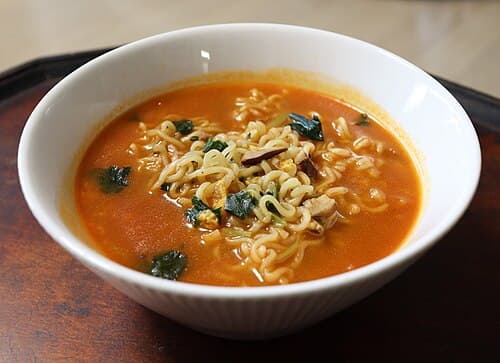
Shin Ramyun Black
Shin Ramyun with a beef bone broth packet: rounder, richer and a bit gentler.
Nongshim
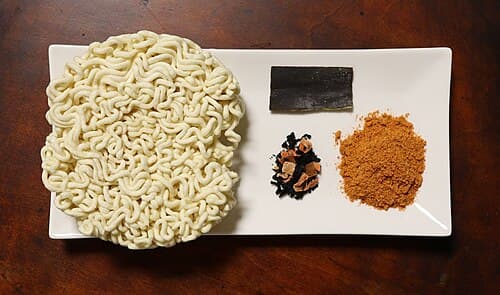
Neoguri (Spicy Seafood)
Thick, chewy noodles in a spicy seafood broth, with a real piece of kelp.
Samyang
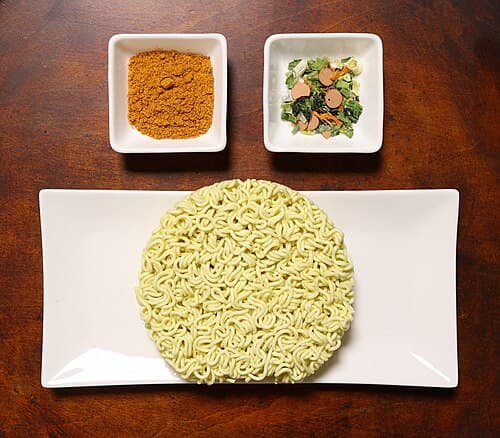
Samyang Ramen
The descendant of Korea's very first instant ramyeon, from 1963.