
Nongshim · Soup ramyeon
·★4.8(200 reviews)Shin Ramyun Black
신라면 블랙 (Sin-ramyeon beullaek)
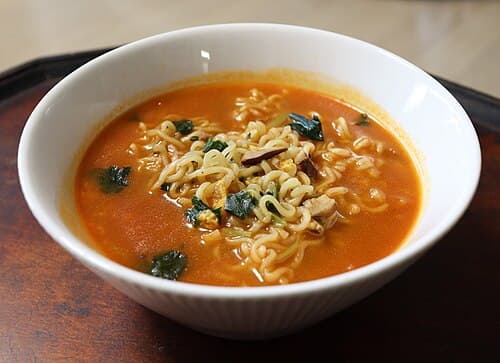
Shin Ramyun with a beef bone broth packet: rounder, richer and a bit gentler.
- Heat
- 2/5
- Cook
- 4.5′
- Water
- 550ml
- Calories
- 575kcal
What Shin Ramyun Black tastes like
Shin Ramyun Black takes the familiar spicy Shin flavor and adds a second soup packet inspired by seolleongtang, the milky Korean beef bone soup. The result is a broth that looks slightly cloudy and tastes noticeably rounder. The chili is still there, along with plenty of garlic, but the bone broth softens the edges so the spice feels warm rather than sharp. Many people find it less spicy than the regular red packet, even though it is clearly from the same family.
The noodles are similar to regular Shin: medium-thick and springy, with a satisfying chew. Because the broth is thicker, it clings to the noodles more, so each mouthful carries more flavor. The flake packet is also more generous, usually with larger pieces of beef, mushroom and vegetables. It is still instant noodles, of course, but the bowl feels more like a finished meal, especially if you add an egg and some green onion.
In Korea, Shin Black sits at a higher price than the original and is often bought as a small treat or kept for days when regular ramyeon feels too plain. Koreans tend to cook it the same way as Shin, sometimes with a bit less water to keep the bone broth concentrated. It is popular in winter, and some people eat it like a quick version of gukbap, adding rice to the broth and finishing with kimchi.
Try Shin Black if regular Shin Ramyun feels a little too sharp, or if you prefer a fuller, savory broth to pure heat. It is a good choice for people who like tonkotsu-style Japanese ramen and want a Korean equivalent with a gentle kick. It is also a nice way to show friends that Korean ramyeon is not only about spice. If you already love the original, it is worth buying a pack to compare them side by side.
How to cook it
Based on typical package directions (about 550 ml water, 4.5 minutes). Recipes vary by country, so check your package.
- 1
Bring about 550 ml of water to a boil. For a stronger broth, use about 500 ml instead.
- 2
Add the noodle block, the spicy soup powder, the bone broth powder and the vegetable flakes together.
- 3
Cook for about 4 minutes 30 seconds, loosening the noodles with chopsticks after the first 2 minutes.
- 4
Stir well near the end, because the bone broth powder can settle at the bottom of the pot.
- 5
Taste the broth before serving. If it feels too salty, add a splash of hot water rather than more cooking time.
- 6
Serve immediately, topped with sliced green onion and black pepper if you like.
How to make Shin Ramyun Black even better
Treat it like a quick seolleongtang
Finish the bowl the way you would eat beef bone soup at a restaurant: a generous handful of finely sliced green onion, a pinch of black pepper and a spoonful of kkakdugi (cubed radish kimchi) on the side. The fresh onion and peppery bite suit the milky broth much better than heavy toppings do.
Add thin-sliced beef
Drop in about 50 g of thinly sliced beef, the kind sold for shabu-shabu or bulgogi, during the last minute. It cooks in seconds and makes the bone broth taste even meatier. Skim off any foam if you want a cleaner soup. Avoid thick cuts, which will stay tough in the short cooking time.
Use a soft egg instead of a stirred one
The broth is the best part of this ramyeon, so do not cloud it with a scrambled egg. Crack the egg in at the 3-minute mark, spoon a little broth over the top and leave it alone. You get a set white and a runny yolk that you can break into the noodles at the table.
Save the broth for rice
Shin Black's thicker broth is especially good with rice. Keep about a third of the soup in the bowl, add half a bowl of warm rice and let it sit for a minute. Top with kimchi. It eats like a fast gukbap, the Korean rice-in-soup meal served in many 24-hour restaurants.
Related guides
How to Cook Korean Instant Ramyeon the Right Way
Water amounts, pot choice, when to add the powder and flakes, exact timing and the noodle-lifting trick Korean home cooks use for chewy, well-seasoned ramyeon.
7 min read
6 Ways to Add Egg to Ramyeon (and When to Use Each)
Whole poached, swirled, half-broken, jammy, fried or a raw yolk: six ways Koreans add egg to ramyeon, with timings and which noodle style suits each method.
7 min read
Korean Ramyeon Spice Levels Explained (and How to Tame the Heat)
How our 0 to 5 spice scale works, where popular Korean ramyeon land on it, and simple kitchen tricks to make hot noodles milder without losing flavor.
7 min read
If you like Shin Ramyun Black, try
Nongshim
Neoguri (Spicy Seafood)
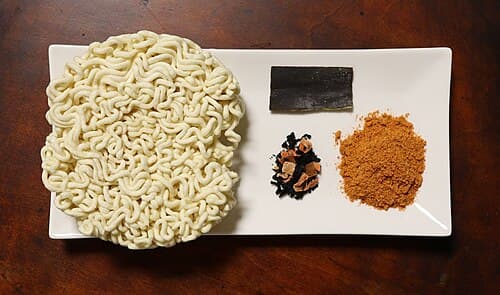
Thick, chewy noodles in a spicy seafood broth, with a real piece of kelp.
Samyang
Samyang Ramen
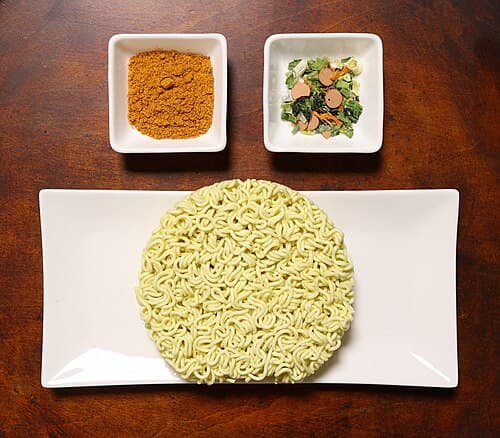
The descendant of Korea's very first instant ramyeon, from 1963.
Nongshim
Ansungtangmyun
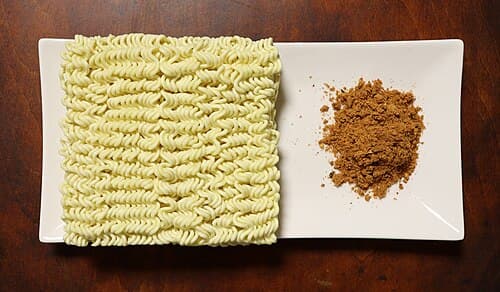
A soybean paste ramyeon with a cozy, savory, homestyle broth.