
How to Cook Korean Instant Ramyeon the Right Way
Water amounts, pot choice, when to add the powder and flakes, exact timing and the noodle-lifting trick Korean home cooks use for chewy, well-seasoned ramyeon.
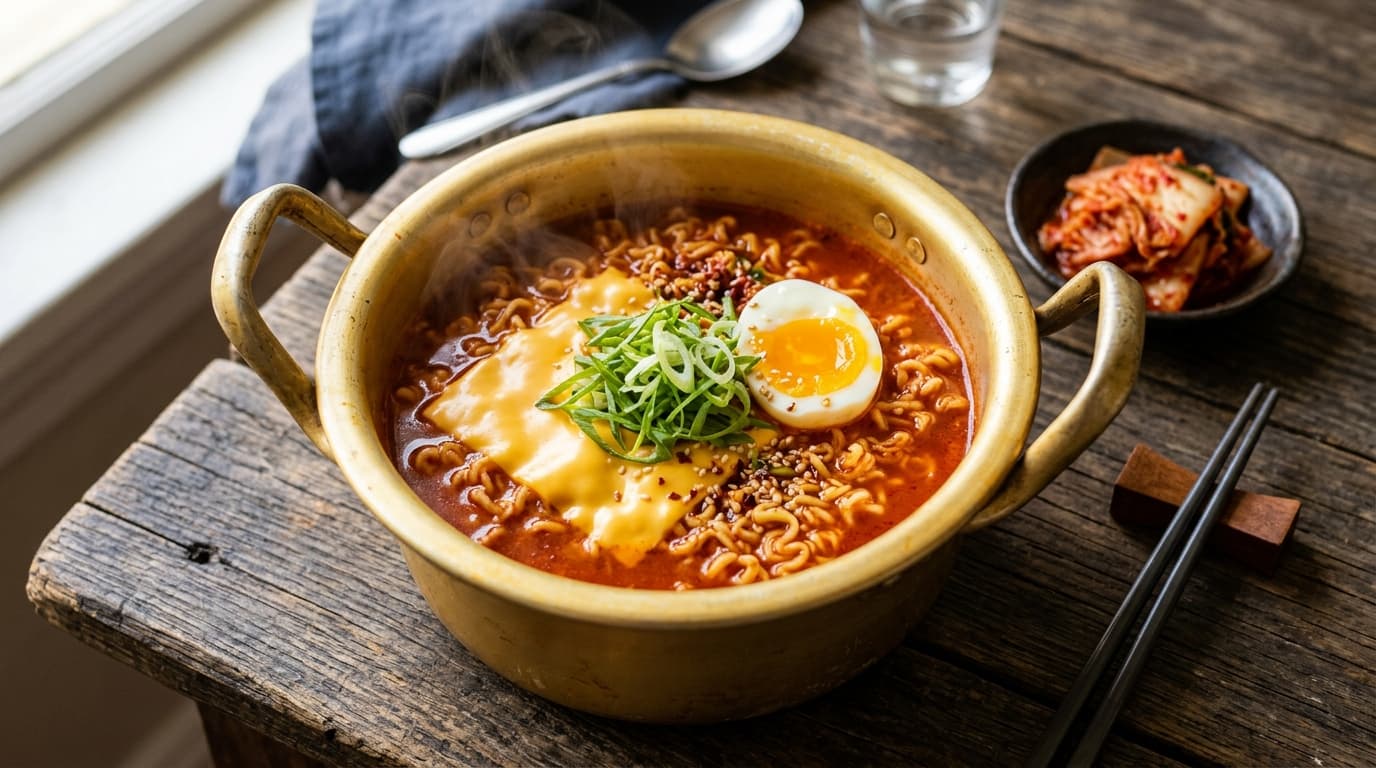
Quick Answer: The 5 Golden Rules for Perfect Ramyeon (라면 5대 황금 법칙)
If you want snack bar quality (분식집 퀄리티) at home, memorize these five non-negotiable rules:
- 1.Exact Water Ratio (500–550 ml)Never guess. Use 3 paper cups (≈540 ml). Too much water ruins the broth permanently.
- 2.Thin Pot with Rapid BoilUse a thin aluminum pot (nickel-silver). Fast heat recovery prevents noodles getting mushy.
- 3.Powder First, Then NoodlesAdd flakes and soup powder into rolling boiling water first to dissolve evenly without clumping.
- 4.The Noodle-Lifting Trick (꼬들꼬들)Lift noodles 20–30 cm into cool air 5–6 times. Thermal shock makes outer starch springy.
- 5.Turn Off Heat 30 Seconds Early (잔열 조리)Pull off stove early so residual broth heat finishes noodles at the table without limp sogginess.
Almost every Korean has an opinion about how ramyeon should be cooked. Ask five friends in Seoul and you will hear five different rules about when the powder goes in, whether the egg should be stirred and how long the noodles really need. The funny thing is that most of these arguments are about small details. The big things, the ones that decide whether your bowl is great or just okay, are surprisingly simple and almost everyone agrees on them.
This guide walks through those big things in the order you meet them at the stove: how much water to use, which pot to reach for, when to add the seasoning, how long to boil, and the little noodle-lifting habit that makes Korean ramyeon taste the way it does in a snack bar. At the end there is a list of the mistakes I see most often when friends abroad cook their first packet.
Measure the water, every single time
Water is the one variable that changes everything else. Korean soup ramyeon is designed so that a packet of seasoning tastes right in a specific volume of water, usually somewhere between 500 and 550 ml for a single serving. Shin Ramyun and Neoguri sit at about 550 ml, Jin Ramen at about 500 ml. Stir-fried types like Chapagetti and Buldak use more water, around 600 ml, because most of it is drained away before the sauce goes in.
Too much water and the broth turns thin and flat, and you end up dumping in extra salt or soy sauce to rescue it. Too little and the soup becomes salty and thick with starch from the noodles. Neither problem is fixable once the noodles are cooked, so measure before you turn on the heat.
If you do not have a measuring jug, use what Koreans use. A standard Korean paper cup holds roughly 180 ml, so three of them land close to the 550 ml mark. A typical mug holds 300 to 350 ml, so fill it once and then about two thirds again.
Kitchen tip
Recipes change between markets, so always glance at the back of your packet. If it says 500 ml, trust it over any general rule, including the numbers in this guide.
Choose a small, thin pot
In Korea the classic ramyeon pot is the yangeun naembi, a cheap, thin, golden aluminium pot about 16 to 18 cm across. It is not fancy, but it does two things very well. It brings 550 ml of water to a boil in a few minutes, and it returns to a full boil almost immediately after you drop in a cold block of noodles. That fast recovery matters, because noodles that sit in water that has stopped bubbling turn soft on the outside before the center cooks.
At home, any small saucepan with a thin base works. A heavy cast-iron pot holds heat nicely but is slow to recover after the noodles go in, and a very wide pan lets too much water evaporate during the four or five minutes of cooking, which concentrates the salt.
- Good: a small aluminium or thin stainless saucepan, roughly 16 to 20 cm wide.
- Fine for two packets: a 20 to 22 cm pot with about 1.1 liters of water.
- Avoid: wide frying pans for soup types, and heavy enameled pots that take ages to boil.
When to add the powder and the flakes
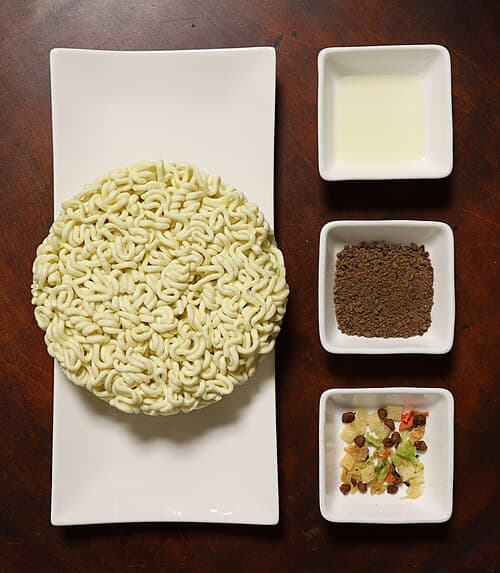
Most Korean packets tell you to put the noodles, soup base and vegetable flakes into boiling water at roughly the same time. That works perfectly well. Many home cooks, including me, add the dried flakes and the soup powder a few seconds before the noodles, as soon as the water reaches a rolling boil.
There are practical reasons for this habit. The powder dissolves evenly instead of clumping on top of the noodle block, and the dried vegetables get the full cooking time to soften. Salted water also boils at a very slightly higher temperature, though honestly the difference is tiny and you will not taste it. The real rule is simpler: the water must be at a hard, rolling boil before anything goes in.
For stir-fried and jjajang types the order is different. The noodles and flakes cook in plain water, most of the water is drained, and only then do the sauce powder and oil go in. Adding the powder to the full pot of water would leave you with a weak, watery soup instead of a glossy sauce.
Timing: pull it 30 seconds early
Packet times usually fall between 4 and 5 minutes, with Shin Ramyun at about 4 minutes 30 seconds. Use a phone timer starting from the moment the noodles hit the water, not from when you remember to check.
Here is the catch. Instant noodles keep cooking in hot soup on the way to the table, and they keep softening while you eat. If you stop the heat exactly when the packet says, the last third of the bowl will be limp. Most Koreans who like a firm, springy bite turn off the heat about 30 seconds early. The noodles finish in the residual heat and stay chewy until the final mouthful.
For thick noodles like Neoguri, give them the full time, because their center can stay chalky if rushed. For thin noodles like Jin Ramen, pulling early makes a bigger difference. Do not break the block unless your pot is too small for it to sit flat. Long noodles are part of the pleasure, and a whole block cooks more evenly than broken pieces piled on top of each other.
The noodle-lifting trick
Watch a Korean cook make ramyeon and you will see them grab the noodles with chopsticks, lift them high above the pot for a second or two, and drop them back in. They repeat this several times during the last two minutes. It looks like showing off, but it has a purpose.
Lifting the noodles exposes them briefly to cool air. The surface cools and firms up while the inside keeps cooking, and the result is the texture Koreans call kkodeul-kkodeul, a bouncy, slightly resistant chew. It also loosens the block so the strands cook evenly and do not stick together in a dense clump at the bottom of the pot.
- Wait until the block has softened enough to separate, usually after about 1 minute 30 seconds.
- Grab a generous bundle with chopsticks or tongs and lift it 20 to 30 cm above the pot.
- Hold for one or two seconds, then lower it back into the boiling soup.
- Repeat four to six times before the timer goes off.
Kitchen tip
Keep the heat high while you do this. Lifting cools the pot slightly, and you want the soup to keep bubbling the whole time.
The most common mistakes
Nearly every disappointing bowl I have tasted comes from one of a handful of habits. None of them are hard to fix.
- Guessing the water. A splash too much is the number one cause of bland ramyeon.
- Adding noodles before the water boils. They sit in hot water, absorb it slowly and turn mushy on the outside.
- Covering the pot the whole time. A lid speeds up the first boil, but leave it off once the noodles are in so it does not boil over and so you can watch the texture.
- Walking away. Four and a half minutes is short, and an extra minute takes noodles from chewy to soft.
- Stirring an egg in too early. It clouds the soup and overcooks. Add it in the last minute.
- Letting it sit. Ramyeon is best in the first five minutes. Serve it straight away and eat.
How Koreans serve it
The most authentic way is also the laziest. Put the pot straight on the table on a trivet or a folded towel and eat from it, using the pot lid as a small plate to cool each bite. That is not just a student habit. Plenty of adults swear ramyeon tastes better from the pot, mostly because the soup stays hot longer.
Serve a small dish of kimchi on the side. Its sourness and crunch cut through the rich, salty broth. When the noodles are gone, many people add a spoonful or two of cooked rice to the leftover soup and finish that too. If you are cooking for more than one, cook two packets in one pot with about 1.1 liters of water, and divide into bowls quickly so nobody's noodles sit waiting.
Master Standard Recipe: 5-Minute Snack Bar Method (분식집 황금 레시피)
Follow this benchmark recipe to guarantee springy, chewy noodles and deep, perfectly balanced broth every single time.
Master Standard Recipe: 5-Minute Snack Bar Method (분식집 황금 레시피)
Ingredients
- 1 packet Korean soup ramyeon (Shin Ramyun, Jin Spicy, or Neoguri)
- 500–550 ml cold water (exactly 3 standard Korean paper cups)
- 1 fresh egg (optional)
- 1 scallion / green onion, finely sliced
- Kimchi and warm cooked white rice for serving
Method
- Measure 500–550 ml water into a thin pot. Bring to a rolling boil over maximum high heat.
- Add dried vegetable flakes and the soup powder first. Let it bubble for 10 seconds to dissolve evenly and raise the boiling point.
- Drop in the unbroken noodle cake. Start a 4-minute timer immediately.
- At 1:30, use chopsticks to lift the noodles 20–30 cm into the cool air for 2 seconds. Repeat 5 to 6 times to shock the surface into a bouncy, springy chew (꼬들꼬들).
- In the final 45 seconds, crack the egg into the simmering center. Leave whole for clear broth, or swirl gently for rich egg-drop soup.
- Kill the heat 30 seconds before the packet recommendation. Garnish with scallions and eat immediately straight from the pot.
Ramyeon FAQ: Answers to the Most Debated Questions (라면 Q&A)
Common questions home cooks ask when trying to get that authentic Korean snack bar flavor at home.
- Q: Powder first or noodles first? (스프 먼저 vs 면 먼저?) — A: Powder first. Adding the soup powder and dried flakes to boiling water dissolves the seasoning completely and allows dried vegetables to soften from the start.
- Q: How to measure without a measuring cup? (종이컵 계량법) — A: Use 3 standard Korean paper cups (180 ml each ≈ 540 ml) or 1.5 standard drinking mugs.
- Q: How do I rescue ramyeon if I accidentally added too much water? (물이 한강일 때) — A: Add 1/2 teaspoon of Korean soy sauce (guk-ganjang) or dashida/chicken bouillon, or simmer an extra 60 seconds with 1 slice of cheddar cheese to restore body.
- Q: Why turn off the stove 30 seconds early? (30초 일찍 끄기) — A: Fried wheat noodles continue cooking in residual broth heat while sitting on the table. Stopping early prevents limp, bloated noodles by the time you reach the bottom of the bowl.
Final takeaway
If you remember only three things, make them these: measure the water, start with a rolling boil, and take the noodles off the heat a little before the packet says. Add the lifting trick once you are comfortable, and you will already be cooking ramyeon better than most people who have eaten it for years. From there, toppings and eggs are where the fun begins, and we have separate guides for both.
Featured ramyeon in this guide
Noodles that pair best with these techniques and recipes.
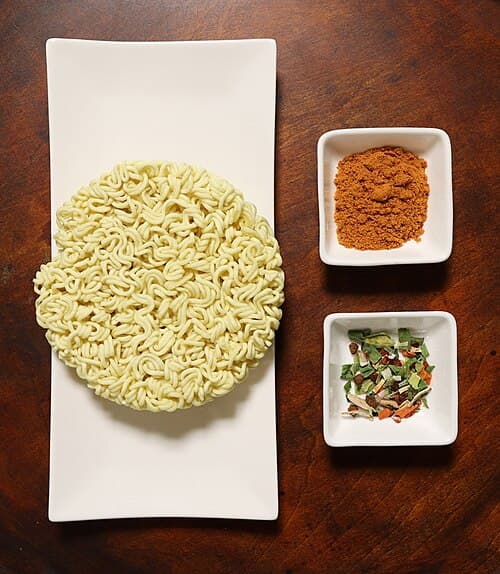
Nongshim
Shin Ramyun
The red-packet classic that set the bar for spicy Korean ramyeon.
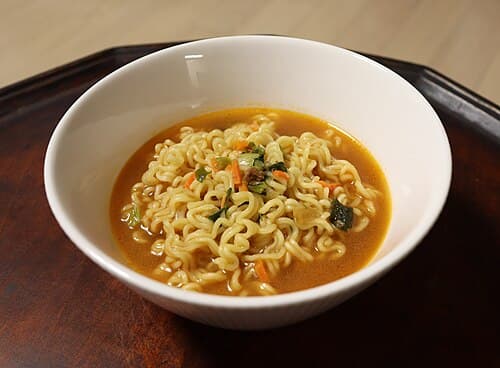
Ottogi
Jin Ramen Mild
Ottogi's gentle, savory everyday ramyeon in the yellow packet.
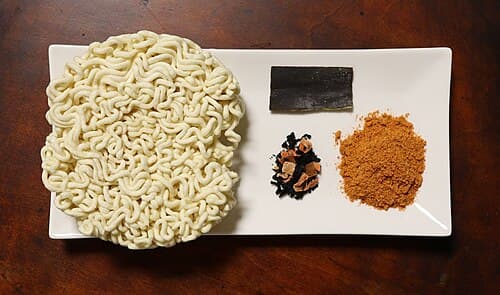
Nongshim
Neoguri (Spicy Seafood)
Thick, chewy noodles in a spicy seafood broth, with a real piece of kelp.
Nongshim
Chapagetti
Instant jjajangmyeon: glossy black bean noodles with zero spice.
More in Technique
15 Toppings That Make Any Korean Ramyeon Better
From egg and cheese to kimchi, mandu, Spam and gim, here are 15 ramyeon toppings with exactly when and how to add each one so nothing turns soggy or overcooked.
8 min read
6 Ways to Add Egg to Ramyeon (and When to Use Each)
Whole poached, swirled, half-broken, jammy, fried or a raw yolk: six ways Koreans add egg to ramyeon, with timings and which noodle style suits each method.
7 min read
Korean Ramyeon Spice Levels Explained (and How to Tame the Heat)
How our 0 to 5 spice scale works, where popular Korean ramyeon land on it, and simple kitchen tricks to make hot noodles milder without losing flavor.
7 min read