
Korean Ramyeon Spice Levels Explained (and How to Tame the Heat)
How our 0 to 5 spice scale works, where popular Korean ramyeon land on it, and simple kitchen tricks to make hot noodles milder without losing flavor.
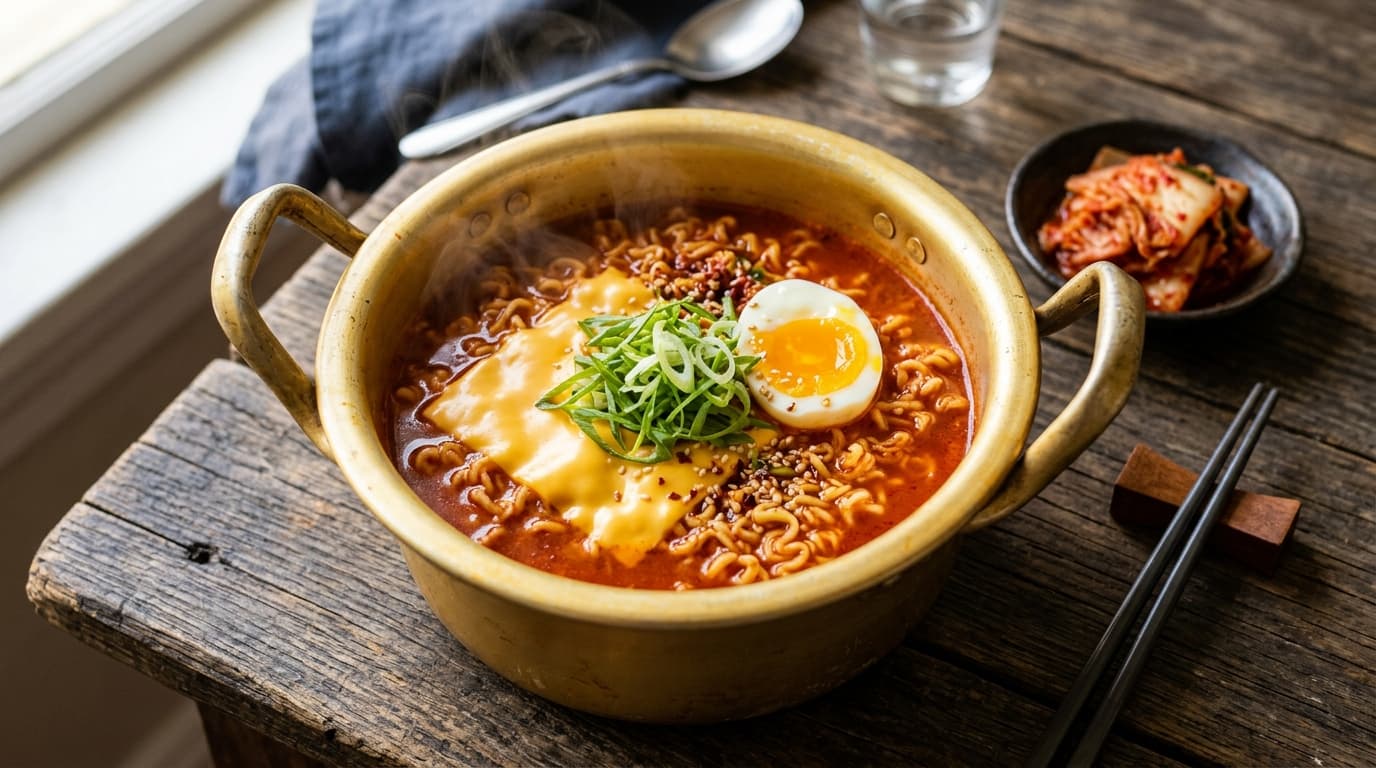
Spice is the first thing friends ask me about when they pick up a packet of Korean ramyeon. Is Shin Ramyun hot? Will Buldak actually hurt? The honest answer is that heat depends on your own tolerance, on how you cook the noodles and even on what you eat alongside them. A bowl that makes one person sweat barely registers for the next.
To keep things useful, every ramyeon on this site carries a rating from 0 to 5. This guide explains what each number means in real eating terms, where the common noodles sit, and the tricks Korean home cooks use to turn the heat down, or up, without knocking the seasoning out of balance.
How our 0 to 5 scale works
The scale is subjective and relative. It is built around one reference point you can find in almost any supermarket: Nongshim Shin Ramyun, which we rate a 3. Every other noodle is placed by comparing it with that bowl, cooked the way the package directs. We are not measuring anything in a lab, so think of the numbers as a friend's honest opinion rather than a scientific reading.
- 0 (none): No chili heat at all. Savory, sweet or creamy flavors only.
- 1 (mild): A faint warmth at the back of the throat. Fine for most kids and for anyone who usually avoids spicy food.
- 2 (gentle kick): You notice the chili, but you can finish the noodles and the broth without reaching for water.
- 3 (medium): Clearly spicy. Your nose may run a little. This is everyday Korean heat.
- 4 (hot): A lingering burn that builds as you eat. Most casual eaters slow down here.
- 5 (extreme): Sweating, watering eyes and a burn that stays for several minutes after the last bite.
Kitchen tip
Ratings assume you use all the seasoning and the recommended amount of water. Change either one and the number moves, sometimes by a full point.
Where popular ramyeon sit on the scale
Here is roughly how the noodles we cover line up. Treat neighbors as close cousins; the gap between a 2 and a 3 can come down to the batch, the market version you bought or how long the broth reduced on the stove. Each noodle's own page has its exact rating and notes.
- Level 0: Chapagetti and Jjawang, the black bean jjajang styles, plus Sari Gomtang with its milky beef-bone broth.
- Level 1 to 2: Jin Ramen Mild, Samyang Ramen, Snack Ramen, Ansungtangmyun and Paldo Bibim Men. Warm, friendly and easy to finish.
- Level 2 to 3: Yukgaejang Sabalmyun, Kimchi Ramyun and Shin Ramyun Black, which tastes richer than the original but feels a touch softer.
- Level 3: Shin Ramyun, Jin Ramen Spicy, Neoguri, Jin Jjambbong and Sesame Ramen.
- Level 4: Yeul Ramen and Buldak Carbonara, which is creamier than the original Buldak but still properly hot.
- Level 5: Buldak Original and Teumsae Ramyun.
Kitchen tip
If you are new to Korean noodles, start around 2 and move to 3. Jumping straight from a mild bowl to Buldak is how most bad first experiences happen.
Why the same noodle can feel hotter or milder
Heat is not locked inside the packet. The way you cook changes how much chili lands on your tongue with each mouthful, and small changes add up quickly.
- Water: Shin Ramyun calls for about 550 ml. Cut that to 450 ml and the broth turns saltier and noticeably spicier. Add an extra 100 ml and it softens.
- Soup versus stir-fried: Stir-fried styles like Buldak keep only a few spoonfuls of water, so the sauce clings to every strand. That concentration is a big part of why they feel so intense.
- Reduction: Leaving the pot at a hard boil for an extra minute or two evaporates water and sharpens the heat.
- Temperature: Very hot broth makes chili feel stronger. Letting the bowl rest for a minute takes the edge off.
- Pace: Eating fast on an empty stomach makes the burn feel bigger than it really is. Slow down and alternate with a mild side.
Use less seasoning, then add back
The simplest trick is also the most effective: do not tip the whole powder sachet in at once. Start with about half to two-thirds, let the noodles cook for a minute, taste the broth and add more only if you want it.
The catch is that the powder carries salt and savory depth as well as chili, so a half-seasoned bowl can taste flat. Fill that gap with flavor that is not spicy. A small splash of soy sauce, a pinch of sugar, all of the dried vegetable flakes and a few drops of sesame oil at the end bring the bowl back to life. For stir-fried Buldak, squeeze in half the sauce packet, toss, taste a forkful and decide from there. You can always add more, but you cannot take it back out.
Kitchen tip
Save leftover powder in a small sealed bag. It is very good sprinkled over fried rice, popcorn or roasted potatoes.
Dairy, egg and other heat softeners
Korean cooks have a few favorite ways to round off a spicy broth. Most of them work by adding fat, protein or plain volume, so each spoonful carries less chili.
- Cheese: Lay one slice of processed cheese on top during the last 30 seconds. It melts into the broth and turns it creamy. This is the classic cheese ramyeon move.
- Milk: Replace about 100 ml of the cooking water with milk, adding it in the final minute so it does not boil over. For Buldak, stir two or three spoons of milk into the sauce.
- Egg: Pour a beaten egg into the boiling broth and wait about 20 seconds before stirring, so you get soft ribbons instead of cloudy soup.
- Mayonnaise: A spoonful mixed into stir-fried Buldak is a popular trick in Korea and abroad.
- Vegetables and tofu: A handful of bean sprouts, napa cabbage or soft tofu stretches the broth and gives you mild bites between the spicy ones.
- Rice: A small bowl of plain rice on the side gives you a neutral bite whenever the heat builds.
What to drink and what to eat on the side
Cold water feels like the obvious answer, but it only gives a moment of relief before the burn creeps back. Milk, a drinking yogurt or a carton of banana milk does a better job, which is why so many Korean challenge videos show a carton sitting next to the bowl. For many people, fizzy drinks make the sting feel sharper rather than softer.
Side dishes help just as much. Danmuji (yellow pickled radish) is sweet, crunchy and cool, and it is the standard partner for spicy noodles at a bunsikjip (Korean snack shop). A few pieces of plain gimbap, some cold cucumber sticks or cubes of chilled tofu work the same way. Keep the side within reach before you start eating, not after your mouth is already on fire.
Building up to the hotter bowls
If you want to reach Buldak level, climb one step at a time over several meals instead of in one evening. A practical route looks like this: Jin Ramen Mild, then Ansungtangmyun, then Shin Ramyun, then Jin Ramen Spicy or Yeul Ramen, then Buldak Carbonara and finally Buldak Original. Use half the seasoning the first time you try each new level, then full strength once it feels comfortable.
Going the other way is easy too. If your noodles feel tame, add gochugaru (Korean chili flakes) half a teaspoon at a time, slice in a fresh cheongyang gochu (a small, hot green Korean chili) for a sharp, clean heat, or drizzle a little chili oil over the top just before serving.
Kitchen tip
When cooking for a group with mixed tolerance, make a mild noodle and put chili flakes and sliced chili on the table so everyone can adjust their own bowl.
Final takeaway
Spice ratings are a starting point, not a test you have to pass. Use the numbers to pick your first packet, then adjust with water, seasoning and a slice of cheese until the bowl tastes right to you. Korean home cooks tweak almost every bowl they make, and nobody is keeping score.
Featured ramyeon in this guide
Noodles that pair best with these techniques and recipes.
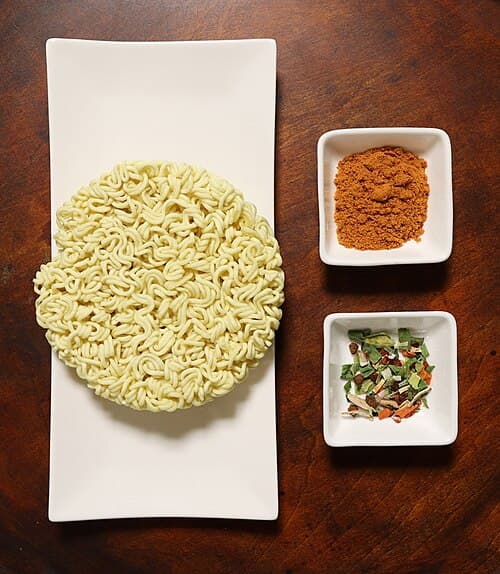
Nongshim
Shin Ramyun
The red-packet classic that set the bar for spicy Korean ramyeon.
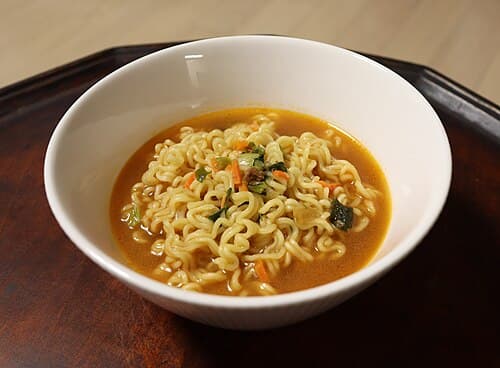
Ottogi
Jin Ramen Mild
Ottogi's gentle, savory everyday ramyeon in the yellow packet.
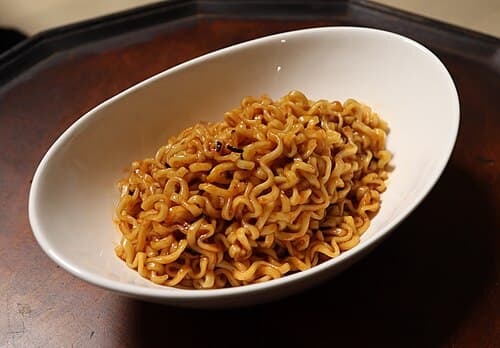
Samyang
Buldak Hot Chicken Flavor Ramen
The famously fiery stir-fried noodle that launched a thousand challenge videos.
Samyang
Buldak Carbonara
Buldak with a creamy, cheesy carbonara-style sauce that softens the fire.
More in Technique
How to Cook Korean Instant Ramyeon the Right Way
Water amounts, pot choice, when to add the powder and flakes, exact timing and the noodle-lifting trick Korean home cooks use for chewy, well-seasoned ramyeon.
7 min read
15 Toppings That Make Any Korean Ramyeon Better
From egg and cheese to kimchi, mandu, Spam and gim, here are 15 ramyeon toppings with exactly when and how to add each one so nothing turns soggy or overcooked.
8 min read
6 Ways to Add Egg to Ramyeon (and When to Use Each)
Whole poached, swirled, half-broken, jammy, fried or a raw yolk: six ways Koreans add egg to ramyeon, with timings and which noodle style suits each method.
7 min read