
6 Ways to Add Egg to Ramyeon (and When to Use Each)
Whole poached, swirled, half-broken, jammy, fried or a raw yolk: six ways Koreans add egg to ramyeon, with timings and which noodle style suits each method.
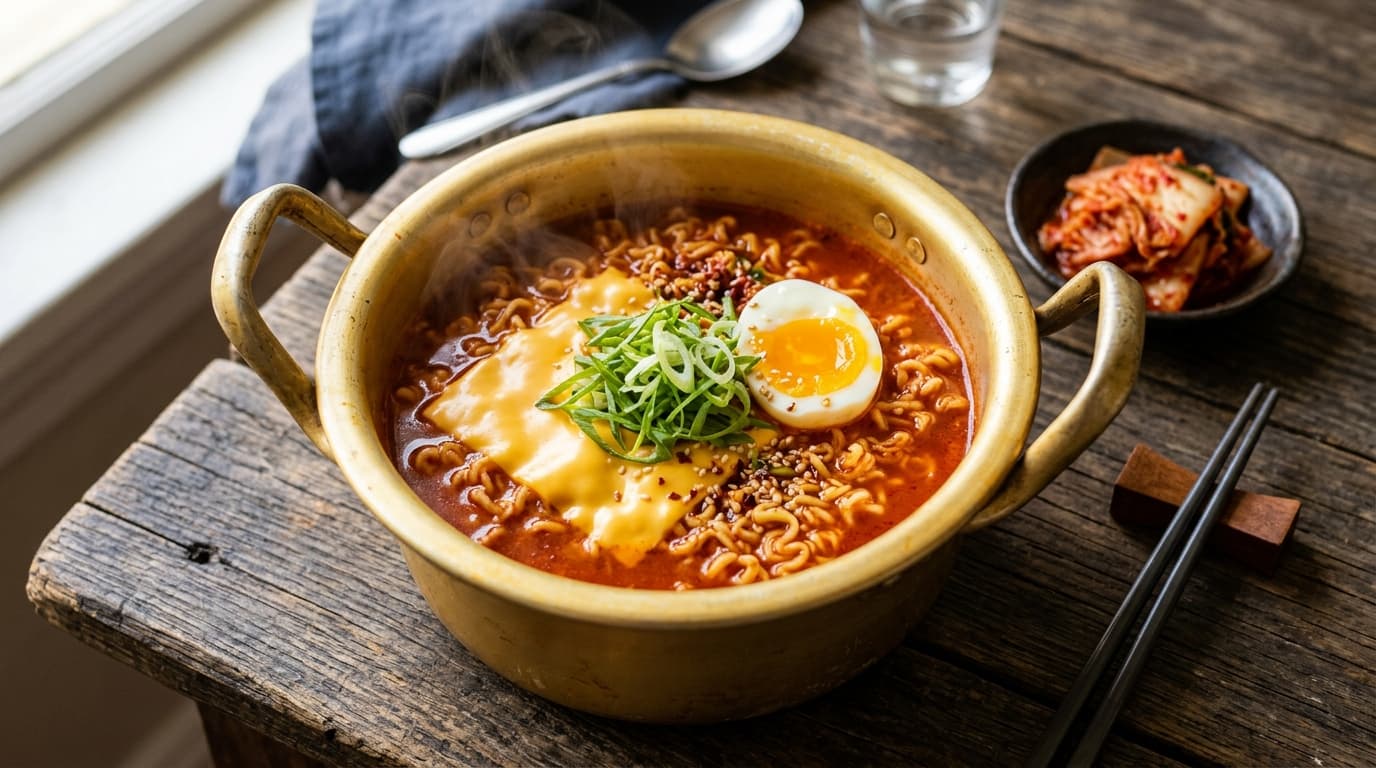
If you ask Koreans what they add to ramyeon, gyeran (egg) will be the first answer almost every time. It is cheap, it is always in the fridge, and it softens a spicy bowl and makes it feel like a proper meal. But there is a real debate about how to add it. Some people insist the yolk must stay whole. Others stir it in immediately. Families argue about this.
The truth is that each method gives a different result, and each suits a different kind of ramyeon. Below are six ways to add egg, with timings, what each does to the soup and noodles, and when to use it. Timings assume a medium or large egg straight from the fridge.
1. Whole egg, poached in the soup
This is the method you see in most Korean dramas. Crack the egg directly into the center of the pot when there is about 1 minute 30 seconds left, and do not touch it. The white sets around the noodles while the yolk stays soft. If you want it firmer, add it with 2 minutes left.
The broth stays clear and keeps its full flavor, since the egg does not mix in. When you eat, break the yolk and let it run into the noodles, or save it for the end and eat it whole.
The trick is placing it in a calm spot. Push the noodles aside slightly so the egg sinks into the broth instead of sliding off the top of the noodle block, and lower the heat a touch so the boil does not tear the white apart.
Kitchen tip
Crack the egg into a small cup first, then slide it in. It is easier to aim, and you can fish out shell before it reaches the pot.
2. Beaten egg, swirled through
For this one, Koreans use the word pulda, to loosen or dissolve, and call it gyeran-eul pulda. Beat the egg in a cup, then pour it in a slow circle over the boiling soup in the last 30 seconds. Wait about 10 seconds before giving it one gentle stir so it forms soft ribbons rather than tiny crumbs.
The result is a softer, rounder, slightly cloudy soup, a bit like egg drop soup. The egg spreads through the broth and noticeably tames the heat, which makes this method a good choice for people who find Shin Ramyun or Teumsae a little too hot.
The trade-off is that the broth loses some of its sharp, clear flavor. Purists who love a bright, spicy soup tend to avoid this one. If you over-stir or add the egg too early, it breaks into gritty specks and the soup turns murky.
3. Half-broken: the middle ground
This is my personal everyday method, and many Korean home cooks do the same. Crack the egg in whole with about 1 minute left. Wait 20 to 30 seconds, until the outer white just starts to turn opaque, then break the yolk with a chopstick and give it two or three gentle swirls.
You end up with a mix of everything: some soft white, some streaks of yolk in the broth, and a soup that is only slightly cloudy. It is milder than the whole-egg method but keeps more of the broth's character than a fully beaten egg.
This works especially well with thicker noodles like Neoguri or with heavy soups, where the egg streaks cling to the noodles. Timing is everything here. Break it too early and you get the swirled method; too late and the yolk will not spread at all.
4. Jammy soft-boiled egg
A soft-boiled egg with a set white and a thick, jammy yolk is cooked separately and added at the end. It looks great and keeps the soup perfectly clear. It is more common in Japanese ramen, but plenty of Koreans now make it too.
Lower a fridge-cold egg into boiling water and cook for 6 minutes 30 seconds to 7 minutes. Move it straight into ice water for at least 3 minutes to stop the cooking and make peeling easier. Peel, halve, and lay it on top of the noodles just before serving.
- 6 minutes: runny yolk, delicate white.
- 6 minutes 30 seconds to 7 minutes: jammy yolk, the classic choice.
- 8 minutes: mostly set yolk with a soft center.
Kitchen tip
For a Korean twist, marinate peeled eggs overnight in the fridge in a mix of soy sauce, water, a little sugar, sliced green onion and chili. This is often called mayak gyeran, and it keeps for a couple of days.
5. Fried egg on top
A fried egg is the classic topping for stir-fried and jjajang ramyeon such as Buldak, Chapagetti and jjapaguri, where there is no soup to poach an egg in. It is also very good on soup ramyeon if you like crispy edges.
Heat a tablespoon of oil in a small frying pan over medium-high heat until it shimmers. Crack in the egg and fry for about 2 minutes, spooning a little hot oil over the white so it sets while the yolk stays runny. The edges should turn golden and lacy.
Slide it on top of the finished noodles. Break the yolk and mix it through. With Buldak, the creamy yolk softens the heat noticeably. With Chapagetti, it makes the black bean sauce even silkier. Fry the egg while the noodles boil so both are ready at the same moment.
6. Raw yolk for stir-fried noodles
This one is simple but very effective with sauced noodles. Separate an egg and place just the raw yolk in the center of a hot plate of stir-fried ramyeon, such as Buldak, Chapagetti or a bibim-style dish, right after it is sauced. Mix it in quickly. The heat of the noodles warms the yolk, and it turns into a glossy, rich coating, a bit like a quick carbonara.
It works best when the noodles are piping hot, so do it the moment they come out of the pan. Use the freshest eggs you can find, ideally ones labeled as safe to eat raw where that is available.
Kitchen tip
Raw or lightly cooked eggs are not recommended for everyone. If you are pregnant, cooking for young children or older people, or simply unsure, use the fried or jammy egg instead.
Which egg for which ramyeon
If you are not sure where to start, use this quick guide. Two eggs are also perfectly normal; just add an extra 30 seconds if you poach them both in the soup.
- Clear, spicy soup like Shin Ramyun or Jin Ramen: whole poached or half-broken.
- Very spicy soup like Teumsae or Shin Ramyun for a beginner: beaten egg swirled through, to soften the heat.
- Thick noodles like Neoguri: half-broken, so the egg clings to the noodles.
- Stir-fried and jjajang types like Buldak and Chapagetti: fried egg or raw yolk.
- When you want it to look good, or are cooking for guests: jammy soft-boiled egg.
Final takeaway
There is no single correct way to add egg to ramyeon, which is why Koreans enjoy arguing about it. Try the whole poached egg first, then the half-broken method, and pick a fried egg or yolk for stir-fried noodles. After a few bowls you will know your own answer, and you will be ready to defend it.
Featured ramyeon in this guide
Noodles that pair best with these techniques and recipes.
Nongshim
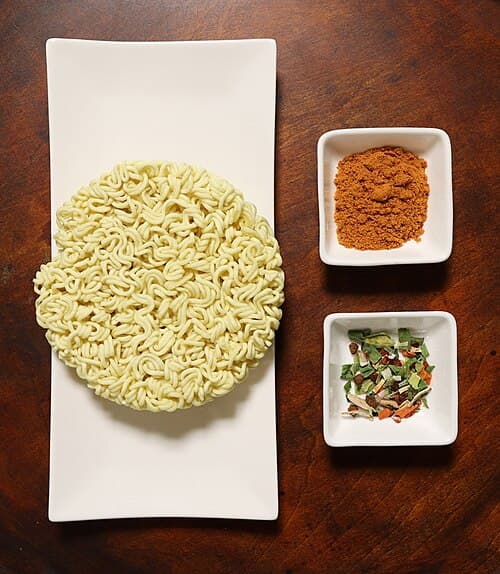
Shin Ramyun
The red-packet classic that set the bar for spicy Korean ramyeon.
Nongshim
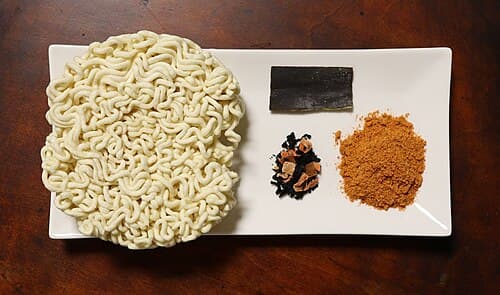
Neoguri (Spicy Seafood)
Thick, chewy noodles in a spicy seafood broth, with a real piece of kelp.
Samyang
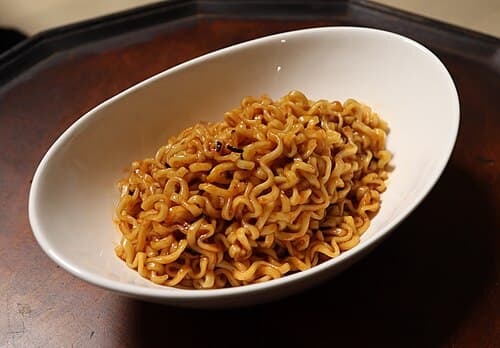
Buldak Hot Chicken Flavor Ramen
The famously fiery stir-fried noodle that launched a thousand challenge videos.
Nongshim
Chapagetti
Instant jjajangmyeon: glossy black bean noodles with zero spice.
More in Technique
How to Cook Korean Instant Ramyeon the Right Way
Water amounts, pot choice, when to add the powder and flakes, exact timing and the noodle-lifting trick Korean home cooks use for chewy, well-seasoned ramyeon.
7 min read
15 Toppings That Make Any Korean Ramyeon Better
From egg and cheese to kimchi, mandu, Spam and gim, here are 15 ramyeon toppings with exactly when and how to add each one so nothing turns soggy or overcooked.
8 min read
Korean Ramyeon Spice Levels Explained (and How to Tame the Heat)
How our 0 to 5 spice scale works, where popular Korean ramyeon land on it, and simple kitchen tricks to make hot noodles milder without losing flavor.
7 min read