
Cold Ramyeon for Hot Days: Bibim-myeon and Easy Variations
How to make chilled bibim-myeon properly, plus easy cold ramyeon variations with cucumber, kimchi and homemade sauce for the hottest days of summer.
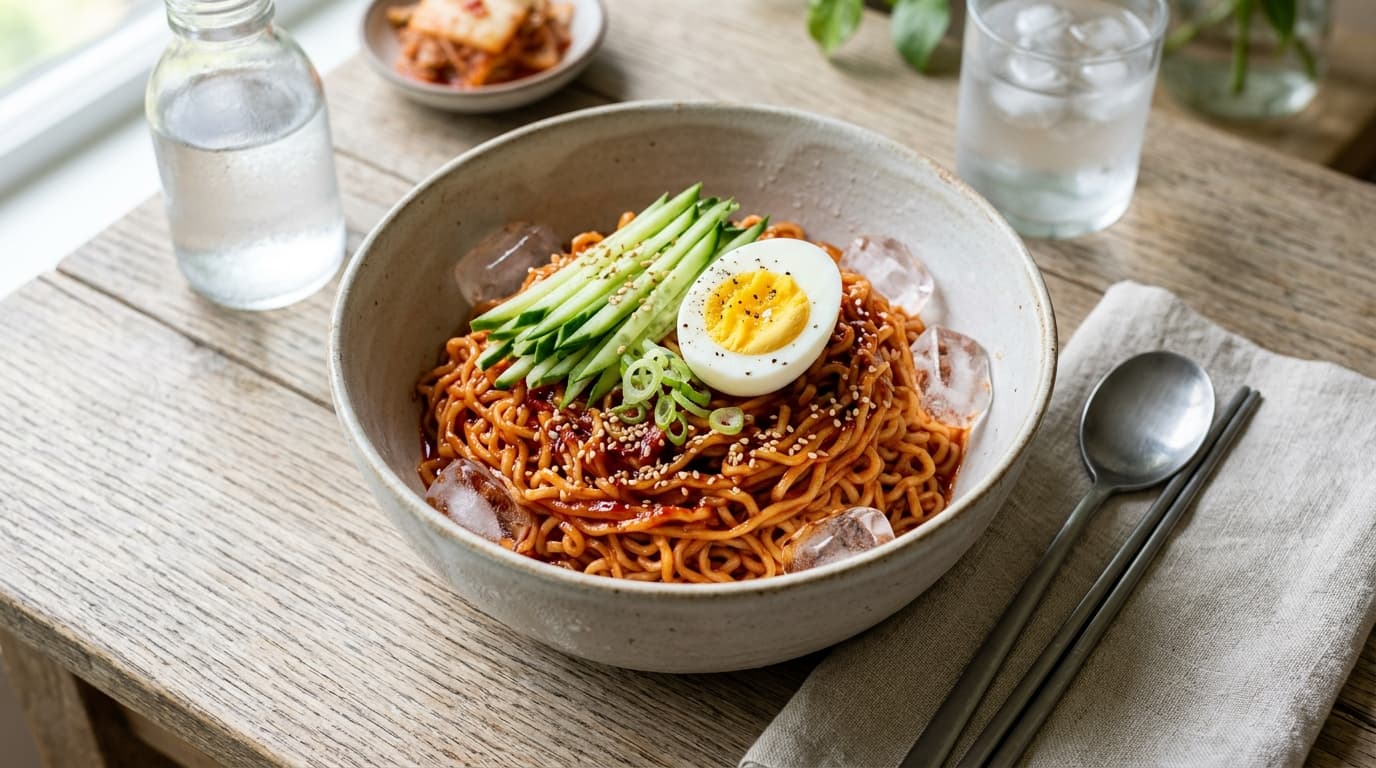
Korean summers are hot and sticky, and when the humidity peaks, nobody wants to stand over a steaming bowl of soup. That is when cold noodles take over. Restaurants are packed with people ordering naengmyeon, and at home the go-to is bibim-myeon: chilled instant noodles tossed in a sweet, sour and spicy sauce. Paldo Bibim Men has been the classic packet for this for decades.
Cold ramyeon is simple, but there is one step most people rush, and it makes the difference between springy noodles in a glossy sauce and a sad, watery pile. This guide covers that method, a full recipe, a homemade sauce for when you only have regular ramyeon in the cupboard, and a few variations worth trying.
What makes cold ramyeon different
Bibim means mixed, and bibim-myeon has no broth. All the flavor sits in a thick sauce, usually built on gochujang (Korean chili paste), vinegar, sugar and sesame oil. Because the sauce coats the noodles directly, every strand needs to be clean, cold and dry enough for it to stick.
Temperature also changes how food tastes. Cold dulls sweetness and saltiness, which is why bibim sauces taste punchy, almost too strong, when you try them straight from the packet. Once they meet chilled noodles, they settle into balance.
Texture matters as much as flavor. Rinsing hot noodles in cold water washes off surface starch and firms them up, giving the chewy, bouncy bite Koreans call jjolgit-jjolgit. Skip the rinse and the noodles go gummy and clump as they cool.
The rinse-and-chill method
This works for any instant noodle you want to eat cold. Get your sauce and toppings ready before you start, because the noodles are best eaten within a few minutes.
- Bring about 500 ml or more of water to a rolling boil. Plenty of water keeps the noodles from sticking.
- Cook the noodles for the time on the package, usually around 3 minutes for bibim noodles. Some people pull them 20 to 30 seconds early for extra bite.
- Drain into a colander and immediately rinse under cold running water.
- Rub the noodles between your hands under the tap for 30 to 60 seconds, like washing rice, until they feel cool and no longer slippery.
- Dunk them into a bowl of ice water for about a minute.
- Drain very well. Shake the colander hard and press gently to push out trapped water.
Kitchen tip
Leftover water on the noodles is the number one reason bibim-myeon tastes bland. Drain longer than you think you need to.
Recipe: upgraded bibim-myeon for one
A single packet of Paldo Bibim Men is fairly small, so many Koreans cook two for one hungry person. These toppings add crunch and freshness without fighting the sauce.
Kitchen tip
Mix the sauce in right before eating. If dressed noodles sit for more than ten minutes, they start to soften and soak up the sauce unevenly.
Recipe: upgraded bibim-myeon for one
Ingredients
- 1 to 2 packets Paldo Bibim Men (or similar bibim noodles)
- 1 egg
- About one-third of a cucumber, cut into thin matchsticks
- 2 tablespoons chopped kimchi (optional)
- A few leaves of lettuce, finely shredded
- 1 teaspoon toasted sesame seeds
- A few drops of sesame oil
- Ice cubes
Method
- Boil the egg for about 8 minutes, cool it in cold water, peel and cut it in half.
- Cut the cucumber and shred the lettuce while the egg cooks. Keep them in the fridge until needed.
- Bring a fresh pot of water to a rolling boil and cook the noodles for the time on the package, usually about 3 minutes.
- Drain, rinse under cold running water while rubbing the noodles, then chill them in ice water for about a minute.
- Drain thoroughly, shaking out as much water as you can.
- Put the noodles in a bowl, add the sauce packet and mix well with chopsticks until every strand is coated.
- Top with lettuce, cucumber, kimchi and the egg halves. Finish with sesame seeds, a few drops of sesame oil and two or three ice cubes on the side of the bowl.
Homemade sauce for any plain noodles
No bibim packet? Use the noodle block from a regular soup ramyeon and save its powder for another day. Soup noodles are often thicker than bibim noodles, so they come out chewier, which many people actually prefer. Mix this sauce in a small bowl and stir until the sugar dissolves.
- 1 and a half tablespoons gochujang
- 1 tablespoon vinegar (rice vinegar or apple cider vinegar both work)
- 2 to 3 teaspoons sugar, or 1 tablespoon if you like it sweet like the packet versions
- 1 teaspoon soy sauce
- 1 teaspoon sesame oil
- Half a teaspoon minced garlic
- 1 teaspoon toasted sesame seeds
Kitchen tip
Some Korean home cooks add a tablespoon of lemon-lime soda to the sauce. It loosens the gochujang and adds a light sweet tang.
Variation: kimchi bibim noodles
This is the clean-out-the-fridge version and a great use for kimchi that has gone very sour. Chop about a third of a cup of kimchi finely and mix it with 2 tablespoons of the kimchi juice from the jar, 1 teaspoon sugar, 1 teaspoon sesame oil and half a teaspoon of gochugaru (chili flakes) if you want more heat.
Toss the rinsed, well-drained noodles with the kimchi mixture. Taste before adding anything else, because kimchi varies a lot in salt and sourness from jar to jar. If it is too sharp, add a little more sugar; if it tastes flat, add a splash of vinegar or a teaspoon of gochujang. A fried egg on top, with a runny yolk to mix through, turns it into a proper lunch.
Variation: icy broth ramyeon
If you miss slurping broth, try this home hack inspired by naengmyeon, the Korean cold noodle soup. It is not a traditional dish, just a fun way to use a soup ramyeon in summer.
- Dissolve about half to two-thirds of the powder from a soup ramyeon, such as Jin Ramen Mild or Shin Ramyun, in about 100 ml of hot water.
- Add about 250 ml of cold water, 1 to 2 tablespoons of vinegar and 1 teaspoon of sugar. Stir and chill in the freezer for 15 minutes, or add a handful of ice.
- Cook, rinse and chill the noodles as described above.
- Pour the icy broth over the noodles and top with cucumber, a boiled egg half and a little Korean mustard if you have it.
Kitchen tip
Taste the broth once it is fully cold. Chilling hides saltiness, so it may need a little more powder or vinegar than you expected.
More easy twists and what to serve alongside
- Cold Buldak: cook and rinse Buldak noodles, then toss with half the sauce and a spoon of mayonnaise for a chilled, creamy-hot plate.
- Sesame-soy noodles: mix 2 tablespoons soy sauce, 1 tablespoon vinegar, 1 tablespoon sugar and 1 tablespoon sesame oil for a no-chili option kids usually love.
- Extra crunch: add thin slices of radish, pear or apple. Sweet fruit is a common touch in Korean cold noodle dishes.
- Grilled pork belly: in Korea, bibim-myeon with samgyeopsal is a favorite combination. Wrap a piece of hot pork in a bite of cold noodles.
- Fried dumplings: crisp mandu on the side make a cold noodle lunch feel like a full meal.
Final takeaway
Cold ramyeon comes down to one habit: rinse well, chill well and drain even better. Get that right and the sauce clings, the noodles bounce and you can build almost anything on top. Keep a couple of bibim packets and a cucumber in the kitchen through summer and the hottest days get a lot easier.
Featured ramyeon in this guide
Noodles that pair best with these techniques and recipes.
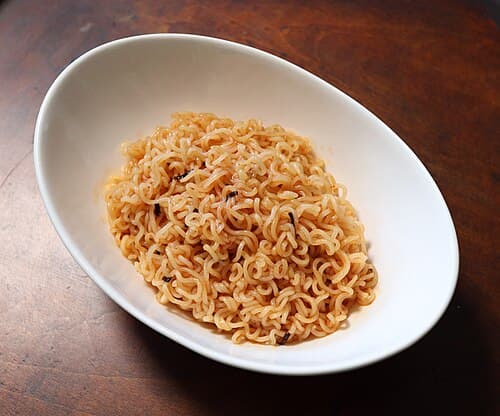
Paldo
Paldo Bibim Men
The sweet, tangy, chilled noodles Koreans reach for the moment summer arrives.
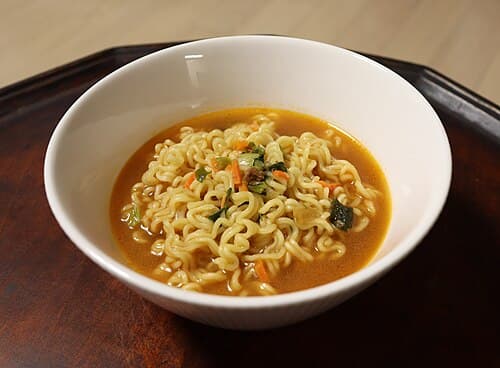
Ottogi
Jin Ramen Mild
Ottogi's gentle, savory everyday ramyeon in the yellow packet.
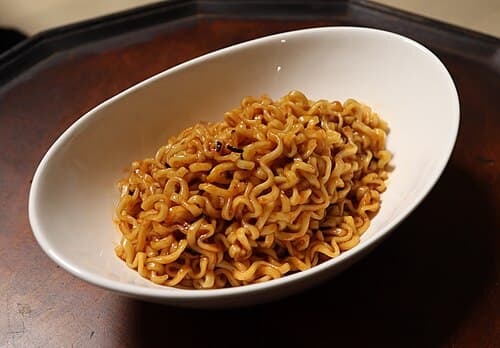
Samyang
Buldak Hot Chicken Flavor Ramen
The famously fiery stir-fried noodle that launched a thousand challenge videos.
More in Recipe
Cheese Ramyeon: The Korean Snack-Bar Classic
How to make chijeu ramyeon like a Korean bunsik snack bar: which cheese melts best, which noodles to use, exact timing, and fixes for greasy or grainy soup.
7 min read
Jjapaguri (Ram-Don) from Parasite: How to Make It at Home
Make jjapaguri, the Chapagetti and Neoguri mash-up from Parasite, at home: the seasoning ratio, water and timing, a budget version and a steak-topped version.
8 min read
Budae Jjigae (Army Stew) with Ramyeon Noodles
A home recipe for budae jjigae, Korean army stew with Spam, sausage, kimchi, tofu and ramyeon noodles, plus the sauce ratio, pot setup and when to add noodles.
8 min read