
Ottogi · Soup ramyeon
·★4.8(149 reviews)Ottogi Jin Jjambbong
진짬뽕 (Jin Jjamppong)
Korean-Chinese spicy seafood soup with a smoky, wok-fired edge.
- Heat
- 3/5
- Cook
- 5′
- Water
- 550ml
- Calories
- 505kcal
What Ottogi Jin Jjambbong tastes like
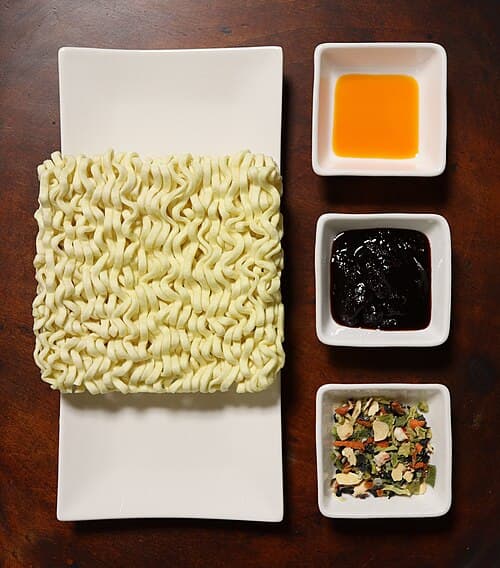
Jjamppong is the spicy seafood noodle soup served at Korean-Chinese restaurants, and Jin Jjambbong tries hard to taste like the restaurant version. The broth is deep red and savory, with a clear seafood character and a smoky, slightly charred aroma that Koreans call bulmat, literally fire taste. That smoke comes mostly from the seasoning oil you add at the end. The heat is a solid medium, close to Shin Ramyun, but it feels rounder because of the oil and the sweetness from the dried vegetables.
The noodles are noticeably thicker and wider than standard ramyeon, closer to the hand-pulled noodles you get in a jjamppong shop. They take a little longer to cook and reward you with a dense, bouncy chew that stands up to the heavy broth. Pull them too early and the center stays hard and floury; leave them too long and they swell and soak up the soup. Around the five-minute mark they are springy all the way through and the surface turns slightly silky.
In Korea, choosing between jjajangmyeon (black bean noodles) and jjamppong at a Chinese restaurant is a running joke, a genuine everyday dilemma. Jin Jjambbong arrived in the mid-2010s and helped start a wave of premium, thick-noodle instant ramyeon that aimed for a restaurant feel at home. It quickly became a staple of the Korean pantry. People often cook it on weekends with a handful of frozen seafood and some cabbage, and the smoky broth is popular as a late-night meal with a bowl of rice.
This is the one to try if you love seafood soups like tom yum or cioppino and want a Korean take with real chili heat. It suits anyone who already enjoys Shin Ramyun and wants something richer and a bit more special. If you are sensitive to oily food, use only part of the seasoning oil. People who avoid shellfish or seafood should read the ingredients carefully, since the broth and flakes are built around seafood flavors.
How to cook it
Based on typical package directions (about 550 ml water, 5 minutes). Recipes vary by country, so check your package.
- 1
Bring about 550 ml of water to a boil in a medium pot. Check the package, as water amounts can differ slightly by market.
- 2
Add the noodles, the dried flake packet and the liquid soup base, then stir gently so the base dissolves evenly.
- 3
Cook for about 5 minutes over medium-high heat. Lift the noodles into the air with chopsticks a few times so they stay springy.
- 4
Taste a noodle at about 4 and a half minutes. It should be chewy all the way through with no floury center.
- 5
Turn off the heat, then squeeze in the seasoning oil packet and stir once. Adding it off the heat keeps the smoky aroma fresh.
- 6
Pour into a wide bowl and eat while hot, saving the broth for a spoonful of rice at the end if you like.
How to make Ottogi Jin Jjambbong even better
Add a handful of frozen seafood
A frozen seafood mix with shrimp, squid and mussels makes the bowl feel properly restaurant-style. Rinse it briefly, then add it to the boiling broth with the noodles so it cooks for the full five minutes. Squid turns rubbery if it boils much longer, so do not add it early. Two or three clams, scrubbed and added at the start, also deepen the broth.
Stir-fry cabbage and onion first
For extra smokiness, heat a teaspoon of neutral oil in the empty pot until very hot, add a handful of sliced cabbage and onion, and toss for about a minute until the edges char slightly. Then pour in the water and continue as usual. This mimics the wok step at a jjamppong restaurant and adds sweetness that softens the chili.
Use less water for a bolder broth
If you add vegetables or seafood, they release liquid and dilute the soup. Cut the water by about 50 ml to keep the broth concentrated. If you prefer a lighter, less salty soup, keep the full amount and add the liquid base gradually, tasting as you go. Thick noodles absorb broth quickly, so serve immediately either way.
Finish with a little gochugaru oil
For more heat with the same smoky feel, warm a tablespoon of oil in a small pan, take it off the heat, and stir in a teaspoon of gochugaru (Korean chili flakes). Let it sit for 20 seconds, then drizzle it over the finished bowl. Do not let the chili sit on the flame, since it burns and turns bitter within seconds.
Famous Hacks Using Ottogi Jin Jjambbong
Chef Lee Yeon-bok’s Smoky Meat Jjambbong Hack
이연복 셰프의 고기 짬뽕라면 (면수 비법)
💡 The Secret Kick
Sauté pork and vegetables with chili powder to build fresh wok chili oil, then splash starchy noodle cooking water (면수) directly into the pan.
Master Chef Lee Yeon-bok is famous for teaching home cooks how professional Chinese culinary principles can rescue humble supermarket ingredients.
Base Noodles
Related guides
How to Cook Korean Instant Ramyeon the Right Way
Water amounts, pot choice, when to add the powder and flakes, exact timing and the noodle-lifting trick Korean home cooks use for chewy, well-seasoned ramyeon.
7 min read
15 Toppings That Make Any Korean Ramyeon Better
From egg and cheese to kimchi, mandu, Spam and gim, here are 15 ramyeon toppings with exactly when and how to add each one so nothing turns soggy or overcooked.
8 min read
Korean Ramyeon Spice Levels Explained (and How to Tame the Heat)
How our 0 to 5 spice scale works, where popular Korean ramyeon land on it, and simple kitchen tricks to make hot noodles milder without losing flavor.
7 min read
If you like Ottogi Jin Jjambbong, try
Nongshim
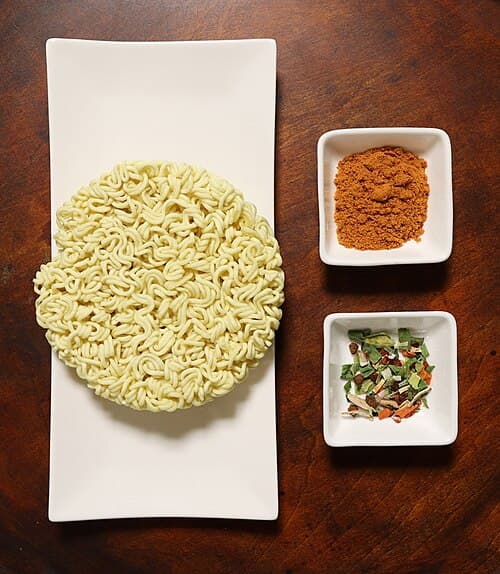
Shin Ramyun
The red-packet classic that set the bar for spicy Korean ramyeon.
Ottogi
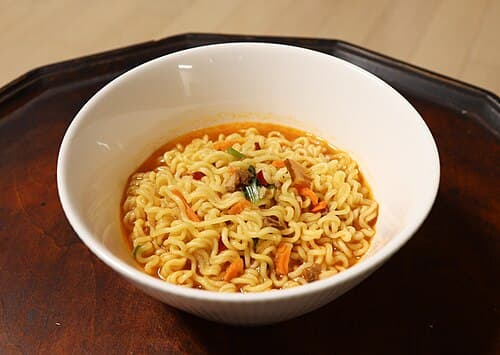
Jin Ramen Spicy
The red Jin Ramen: a punchy, savory rival to Shin Ramyun.
Ottogi
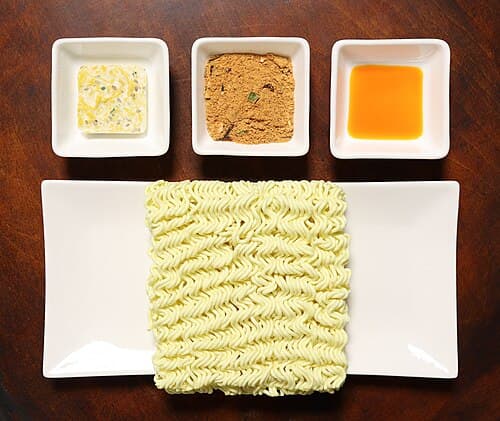
Ottogi Sesame Ramen
Spicy broth, a nutty sesame finish and a little block of egg that blooms in the pot.