
Ottogi · Soup ramyeon
·★4.8(215 reviews)Ottogi Sesame Ramen
참깨라면 (Chamkkae Ramyeon)
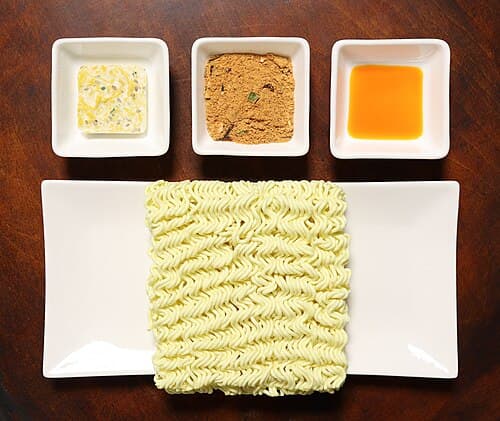
Spicy broth, a nutty sesame finish and a little block of egg that blooms in the pot.
- Heat
- 3/5
- Cook
- 4′
- Water
- 500ml
- Calories
- 490kcal
What Ottogi Sesame Ramen tastes like
Chamkkae means sesame, and the name is honest. The base broth is a savory, medium-spicy red soup, but the finish is all toasted sesame: a packet of sesame oil and roasted sesame seeds that you add at the end. The oil gives the soup a nutty, almost buttery aroma that rounds off the chili, so the heat feels softer than its actual level. Many people describe it as the spicy ramyeon that tastes rich rather than sharp, and that is a fair summary.
The noodles are standard round ramyeon noodles, medium thickness, with a familiar springy chew. What makes the texture interesting is the egg block, a small freeze-dried square of egg that rehydrates in the boiling soup and breaks into soft, fluffy ribbons. Together with the sesame seeds, it adds little bits of texture to every spoonful. Stir the egg block gently once it softens; stir too hard and it disappears into a cloudy soup.
Sesame Ramen is especially loved in its cup form, which has been a convenience store favorite in Korea for years, but the bag version follows the same idea and is easy to find in Korean grocery stores abroad. Koreans often reach for it when they want something spicy but slightly gentler and more savory than the big-name beef broths. It is a good late-night bowl, and the sesame aroma makes the kitchen smell wonderful within seconds of opening the oil packet.
Try it if you love sesame in any form, from sesame noodles to tahini, or if you find many Korean ramyeon a little thin and want more richness in the broth. It is a smart choice for people moving up from mild ramyeon who want flavor before fire. Because the egg is already inside, it feels complete even without toppings. Anyone with a sesame or egg allergy should skip this one or read the label carefully.
How to cook it
Based on typical package directions (about 500 ml water, 4 minutes). Recipes vary by country, so check your package.
- 1
Bring about 500 ml of water to a boil. Check the package, as bag and cup versions use different amounts.
- 2
Add the noodles, soup powder, dried vegetable flakes and the egg block together.
- 3
Cook for about 4 minutes over medium-high heat. After the egg block softens, nudge it with chopsticks so it breaks into large ribbons rather than dissolving.
- 4
Lift the noodles a couple of times during cooking to keep them springy and stop them from clumping.
- 5
Turn off the heat, then add the sesame oil and roasted sesame packet. Stir once and serve immediately to keep the aroma strong.
How to make Ottogi Sesame Ramen even better
Add a fresh egg on top of the dried one
The egg block is light, so for a heartier bowl crack a fresh egg into the pot with about one minute left. Do not stir; let the white set around the noodles and the yolk stay runny. When you break the yolk later it mixes with the sesame oil and makes the broth even richer. A soft-boiled egg added at the table works too.
Sprinkle extra crushed sesame
Toast a teaspoon of sesame seeds in a dry pan for about a minute until they smell nutty, then crush them lightly between your fingers or in a mortar. Crushing releases far more aroma than whole seeds. Scatter them over the finished bowl along with sliced green onion. This small step makes the sesame flavor clearer from the first spoonful to the last.
Balance with green onion and kimchi
The rich, nutty broth benefits from something fresh and sharp. Thinly slice one green onion and add half in the last 30 seconds of cooking and half raw on top. Serve kimchi on the side rather than in the pot, so its sourness cuts the sesame oil between bites without clouding the broth.
Turn it into a tofu soup
Cut about 100 g of soft or medium tofu into cubes and add it with the noodles. The tofu warms through, soaks up the spicy sesame broth and makes the bowl more filling. Spoon gently so the cubes stay whole. Add a splash of extra water, about 50 ml, since tofu slightly dilutes the seasoning as it releases moisture.
Related guides
6 Ways to Add Egg to Ramyeon (and When to Use Each)
Whole poached, swirled, half-broken, jammy, fried or a raw yolk: six ways Koreans add egg to ramyeon, with timings and which noodle style suits each method.
7 min read
15 Toppings That Make Any Korean Ramyeon Better
From egg and cheese to kimchi, mandu, Spam and gim, here are 15 ramyeon toppings with exactly when and how to add each one so nothing turns soggy or overcooked.
8 min read
Korean Ramyeon Spice Levels Explained (and How to Tame the Heat)
How our 0 to 5 spice scale works, where popular Korean ramyeon land on it, and simple kitchen tricks to make hot noodles milder without losing flavor.
7 min read
If you like Ottogi Sesame Ramen, try
Nongshim
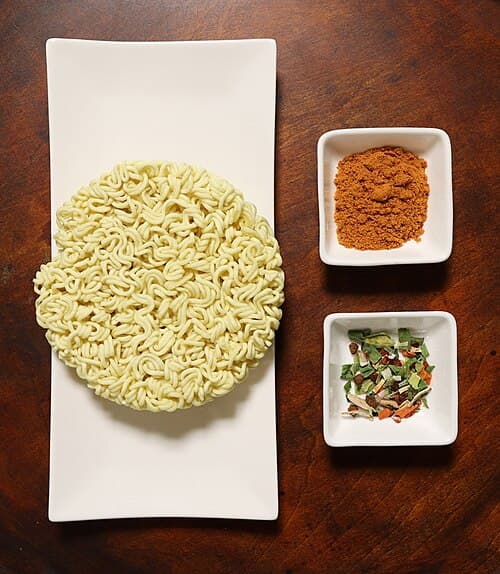
Shin Ramyun
The red-packet classic that set the bar for spicy Korean ramyeon.
Ottogi
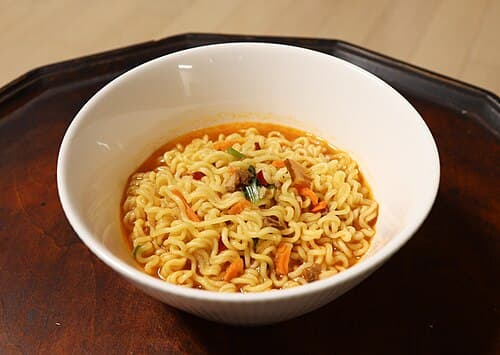
Jin Ramen Spicy
The red Jin Ramen: a punchy, savory rival to Shin Ramyun.
Ottogi
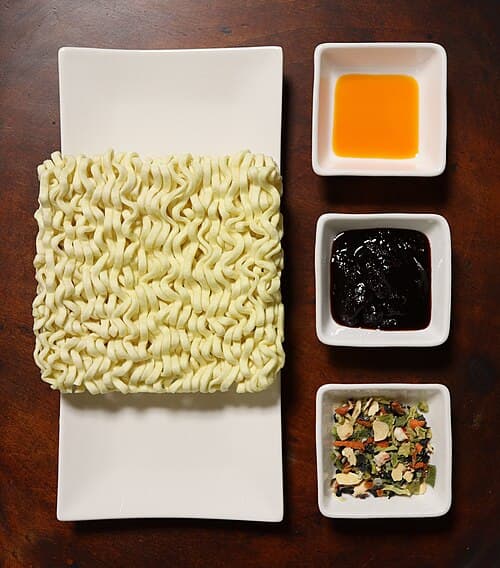
Ottogi Jin Jjambbong
Korean-Chinese spicy seafood soup with a smoky, wok-fired edge.