
Ottogi · Soup ramyeon
·★4.8(167 reviews)Jin Ramen Spicy
진라면 매운맛 (Jin-ramyeon maeunmat)
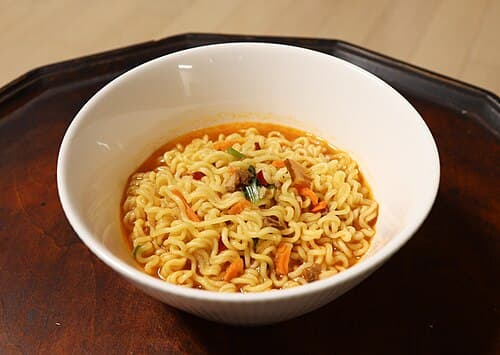
The red Jin Ramen: a punchy, savory rival to Shin Ramyun.
- Heat
- 3/5
- Cook
- 4′
- Water
- 550ml
- Calories
- 500kcal
What Jin Ramen Spicy tastes like
Jin Ramen Spicy, maeunmat in Korean, uses the same savory beef-style base as the mild version but with a lot more chili and pepper. The heat arrives quickly and has a sharp, slightly peppery edge, with garlic underneath. Compared with Shin Ramyun, the broth is a little saltier and more direct, with less of the mushroom earthiness. Some people find it the spicier of the two at first sip, though both sit around the same medium level on most people's scale.
The noodles are smooth and slightly springy, a touch thinner than Shin's, and they absorb broth quickly. That means they pick up a lot of flavor but can also go soft if you leave them sitting. Eat it right after cooking, or cut the time by about 30 seconds if you know you will be slow at the table. The vegetable flakes are simple, mostly green onion and a little carrot and mushroom.
In Korea, Jin Ramen and Shin Ramyun have been compared for decades, and everyone seems to have a side. Jin Ramen is often a bit cheaper and is a favorite among students and people who cook ramyeon in multi-packs for the family. It is widely used in restaurant-style dishes such as budae-jjigae and ramyeon in tteokbokki, because its noodles soak up the surrounding sauce so well. Many Koreans say it is the better ramyeon with kimchi.
Try Jin Ramen Spicy if you liked Shin but want something sharper and more peppery, or if you are curious which camp you belong in. It is a good pick for people who like a straightforward, salty, spicy noodle soup without extra fuss. If you have only found the mild version abroad, check for the red packet; the two look similar at a glance, so read the label before buying.
How to cook it
Based on typical package directions (about 550 ml water, 4 minutes). Recipes vary by country, so check your package.
- 1
Bring about 550 ml of water to a full boil.
- 2
Add the noodles, soup powder and flake packet together.
- 3
Cook for about 4 minutes, separating the noodles with chopsticks after 1 to 2 minutes.
- 4
Lift the noodles out of the broth a few times while they cook to keep them springy.
- 5
Taste the broth; if it is too salty, add a little hot water rather than cooking longer.
- 6
Serve immediately, before the noodles have time to soak up too much soup.
How to make Jin Ramen Spicy even better
Pair it with kimchi, inside and out
Add a small handful of chopped sour kimchi plus a spoonful of its juice to the pot along with the noodles, then serve more kimchi on the side. The tang cuts through Jin's saltiness and makes the broth taste deeper. Use about three quarters of the soup packet to keep the salt in balance.
Add Spam or sausage for a mini budae-jjigae
Cut a few slices of Spam or a hot dog sausage and simmer them in the broth for a minute before adding the noodles. The smoky, salty meat is a natural match for the peppery soup. This is basically a single-serving budae-jjigae, the army stew that often uses Jin Ramen noodles.
Cool the heat with cheese
If the spice is a bit too much, lay one slice of cheese on the noodles after you pour them into the bowl. It melts in about a minute and softens the sharp pepper notes. Stir it in fully for a creamy orange broth, or leave it in pieces for stretchy bites.
Throw in rice cakes
Soak a handful of tteok (rice cakes) in warm water for 10 minutes if they are hard, then boil them in the water for about 2 minutes before adding the noodles. They soak up the spicy broth and add a pleasant chew, turning the bowl into something closer to rabokki (ramyeon tteokbokki) in soup form.
Famous Hacks Using Jin Ramen Spicy
Baek Jong-won’s Scallion Oil Stir-Fried Ramyeon
백종원의 초간단 대파기름 볶음라면
💡 The Secret Kick
Use strictly half a packet of seasoning powder; fry cooked noodles in scallion oil over roaring heat for 60 seconds.
In the earliest days of MBC’s My Little Television, Baek Jong-won took live audience requests from students and bachelors who were sick of plain soup ramyeon.
Base Noodles
Related guides
Budae Jjigae (Army Stew) with Ramyeon Noodles
A home recipe for budae jjigae, Korean army stew with Spam, sausage, kimchi, tofu and ramyeon noodles, plus the sauce ratio, pot setup and when to add noodles.
8 min read
Korean Ramyeon Spice Levels Explained (and How to Tame the Heat)
How our 0 to 5 spice scale works, where popular Korean ramyeon land on it, and simple kitchen tricks to make hot noodles milder without losing flavor.
7 min read
15 Toppings That Make Any Korean Ramyeon Better
From egg and cheese to kimchi, mandu, Spam and gim, here are 15 ramyeon toppings with exactly when and how to add each one so nothing turns soggy or overcooked.
8 min read
Cheese Ramyeon: The Korean Snack-Bar Classic
How to make chijeu ramyeon like a Korean bunsik snack bar: which cheese melts best, which noodles to use, exact timing, and fixes for greasy or grainy soup.
7 min read
If you like Jin Ramen Spicy, try
Nongshim
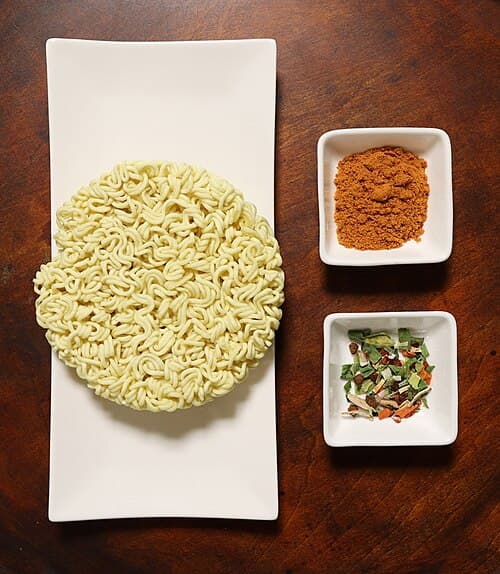
Shin Ramyun
The red-packet classic that set the bar for spicy Korean ramyeon.
Ottogi
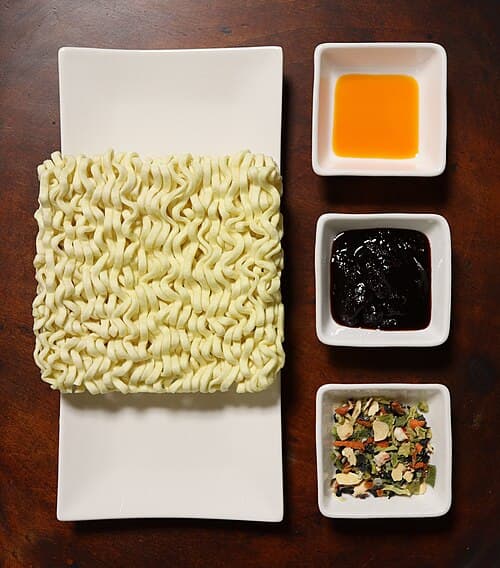
Ottogi Jin Jjambbong
Korean-Chinese spicy seafood soup with a smoky, wok-fired edge.
Ottogi
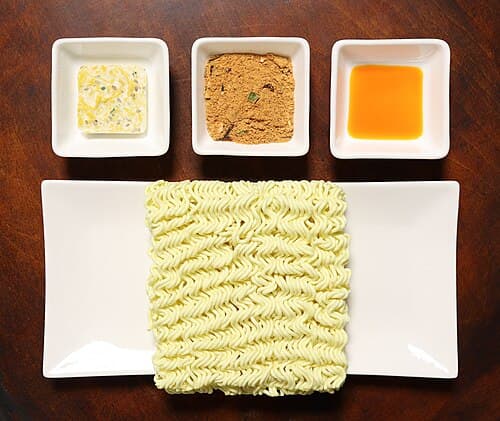
Ottogi Sesame Ramen
Spicy broth, a nutty sesame finish and a little block of egg that blooms in the pot.