
Paldo · Soup ramyeon
·★4.9(96 reviews)Paldo Teumsae Ramyun
틈새라면 (Teumsae Ramyeon)
A soup ramyeon so hot that Koreans treat it as a dare.
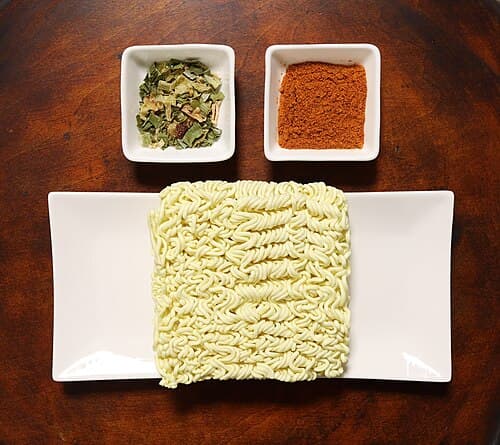
- Heat
- 5/5
- Cook
- 4′
- Water
- 550ml
- Calories
- 490kcal
What Paldo Teumsae Ramyun tastes like
Teumsae is not subtle. The broth looks like an ordinary red ramyeon soup, but the first sip makes it clear this is a different category. The heat arrives fast, hits the back of the throat and keeps building with every spoonful, carried by a peppery, garlicky base. Unlike Buldak, which is a sauce coating the noodles, Teumsae is a soup, so the chili is in every slurp and the steam itself can make you cough. Underneath the fire there is a savory, slightly beefy flavor, but you need some tolerance to notice it.
The noodles are fairly standard, medium-thick and round, with a decent spring when cooked to time. In practice the texture matters less than in other ramyeon because you will likely eat slowly, pausing for water. That pause is a problem: the noodles keep soaking up spicy broth and softening in the bowl. A good strategy is to cook them a little firmer than usual, about 30 seconds short, so they are still pleasant when you get to the bottom of the bowl.
Teumsae means a gap or crevice, and the name comes from a tiny ramyeon shop in central Seoul that became famous for its brutally spicy bowls. Its signature, often nicknamed bbalgyetteok, short for red broth, egg and rice cake, built a cult following among students and office workers. Paldo's packaged version brings that heat home. In Korea it is often eaten as a challenge between friends, or by dedicated spice lovers who find Shin Ramyun too gentle.
Try it only if you already enjoy hot food and find most Korean ramyeon mild. If Buldak Original is comfortable for you, Teumsae is the soup equivalent worth testing. First-timers should cook it with egg and rice cake, use only part of the soup powder, and keep milk or yogurt on the table. People with sensitive stomachs, children and anyone who dislikes chili heat should skip it; there is no shame in choosing a milder bowl.
How to cook it
Based on typical package directions (about 550 ml water, 4 minutes). Recipes vary by country, so check your package.
- 1
Bring about 550 ml of water to a boil. Check the package for your market, since directions vary.
- 2
If you are cautious with heat, add only half to two-thirds of the soup powder at first along with the flakes. You can always add more later.
- 3
Add the noodles and cook for about 3 and a half to 4 minutes, a touch shorter than the package if you tend to eat slowly.
- 4
Avoid leaning directly over the pot while it boils; the chili steam can sting your eyes and throat.
- 5
Taste carefully, adjust with more powder if you want, then turn off the heat.
- 6
Serve with a glass of milk or a bowl of rice within reach before you take the first bite.
How to make Paldo Teumsae Ramyun even better
Recreate the egg and rice cake bowl
Soak a handful of sliced rice cakes (tteok) in water for ten minutes, then add them with the noodles. With one minute left, crack in an egg and let it set without stirring. The chewy rice cake and soft yolk give your mouth a break between spicy bites. This is the closest home version of the famous shop-style bowl.
Keep dairy at the table
Milk, drinking yogurt or a scoop of plain yogurt work much better than water when the burn hits. Water spreads the chili oils around your mouth, while dairy helps wash them away. Sip slowly rather than gulping. A slice of cheese melted into the soup also softens the heat noticeably, though it changes the flavor toward creamy.
Add cabbage and bean sprouts
A handful of bean sprouts or shredded cabbage added in the last minute brings crunch, sweetness and extra liquid, which slightly dilutes the heat without dulling the broth. Bean sprouts are a classic Korean addition to spicy soups and keep their snap if you do not overcook them. Eat the vegetables between noodle bites for a cooling contrast.
Use the leftover broth for rice, carefully
If you finish the noodles and still want more, add a few spoonfuls of rice to the remaining broth, which is a common Korean habit. Go slowly, though: rice soaks up a lot of spicy soup and the heat concentrates as you eat. Many people prefer to spoon broth over rice in a separate bowl so they can control the amount.
Famous Hacks Using Paldo Teumsae Ramyun
Sung Si-kyung’s "Shin-Sae" Timed Double Heat
성시경의 신새라면 (신라면 + 틈새라면 시간차 조리)
💡 The Secret Kick
Time the noodle cakes: Shin noodles require 4.5 minutes, Teumsae needs 3.5 minutes. Drop Shin exactly 60 seconds before Teumsae.
Singer Sung Si-kyung is renowned in Korea for having an uncompromising palate and encyclopedic drinking knowledge.
Base Noodles
Related guides
Korean Ramyeon Spice Levels Explained (and How to Tame the Heat)
How our 0 to 5 spice scale works, where popular Korean ramyeon land on it, and simple kitchen tricks to make hot noodles milder without losing flavor.
7 min read
6 Ways to Add Egg to Ramyeon (and When to Use Each)
Whole poached, swirled, half-broken, jammy, fried or a raw yolk: six ways Koreans add egg to ramyeon, with timings and which noodle style suits each method.
7 min read
Cheese Ramyeon: The Korean Snack-Bar Classic
How to make chijeu ramyeon like a Korean bunsik snack bar: which cheese melts best, which noodles to use, exact timing, and fixes for greasy or grainy soup.
7 min read
If you like Paldo Teumsae Ramyun, try
Ottogi
Ottogi Yeul Ramen
A clean, sharp chili burn for people who find Shin Ramyun too polite.
Nongshim
Shin Ramyun
The red-packet classic that set the bar for spicy Korean ramyeon.
Ottogi
Jin Ramen Spicy
The red Jin Ramen: a punchy, savory rival to Shin Ramyun.