
Ottogi · Soup ramyeon
·★4.8(200 reviews)Ottogi Yeul Ramen
열라면 (Yeol-ramyeon)
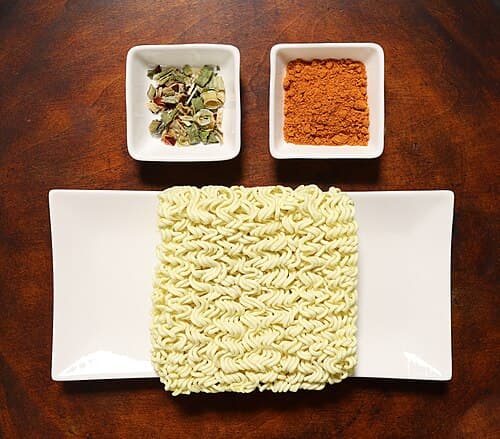
A clean, sharp chili burn for people who find Shin Ramyun too polite.
- Heat
- 4/5
- Cook
- 4′
- Water
- 500ml
- Calories
- 510kcal
What Ottogi Yeul Ramen tastes like
Yeol means heat or fever, and this ramyeon lives up to it. The broth is lighter and less beefy than Shin Ramyun, so the chili comes forward with very little cushioning. The heat is sharp and direct, with a peppery bite that hits early and lingers on the lips. There is garlic and a savory base underneath, but the main character is the spice itself. Many people describe it as a cleaner, more straightforward burn compared with heavier, richer spicy ramyeon.
The noodles are medium-thin, a little slimmer than Nongshim's standard round noodles, and they cook to a pleasant springy texture in about four minutes. Because the broth is thinner, the noodles feel light and slurp easily. They soften a bit faster than thicker noodles, so try not to let the bowl sit. If you plan to add a lot of toppings that need extra cooking time, add those first and the noodles later.
Korean speakers also hear a playful echo in the name: yeolla is casual slang for really or super, so the name reads a little like seriously hot ramyeon. Yeul Ramen has a loyal following in Korea among spice fans and students, partly because it delivers serious heat at a friendly price. It often comes up when Koreans debate which everyday ramyeon is spicier than Shin, and it is a common pick for people who add their own chili to every bowl.
Try it if Shin Ramyun is comfortable for you and you want the next step up in a soup format, without jumping all the way to extreme products like Teumsae or Buldak. It suits people who prefer heat to richness, and those who like to build their own bowl with toppings. If you are new to Korean spice, start with a milder ramyeon or use only part of the soup packet. Keep a drink nearby either way.
How to cook it
Based on typical package directions (about 500 ml water, 4 minutes). Recipes vary by country, so check your package.
- 1
Bring about 500 ml of water to a boil. Check the package for your market.
- 2
Add the soup powder and flake packet. If you are unsure about the heat, start with about two-thirds of the powder.
- 3
Add the noodles and cook for about 4 minutes, lifting them with chopsticks a few times.
- 4
Taste the broth in the last minute and add the remaining powder if you want the full heat.
- 5
Turn off the heat and serve straight away, since the thinner noodles soften quickly in the hot broth.
How to make Ottogi Yeul Ramen even better
Add bean sprouts for crunch
A large handful of bean sprouts added in the last minute is a favorite Korean move with spicy, clean broths. The sprouts stay crunchy, release a little sweetness and make the soup taste fresher. Keep the lid off while they cook; Korean cooks often say this avoids a grassy smell. Add an extra 50 ml of water so the broth does not get too concentrated.
Soften the edge with an egg
Crack an egg into the pot with about a minute to go and leave it undisturbed. A runny yolk mixed into a spoonful of broth tames the burn for a moment without dulling the flavor. If you want the broth itself milder, beat the egg and swirl it in instead. Both versions keep the clean character of the soup.
Add pork for a richer bowl
The broth is light, so it takes well to a little fat. Fry 50 g of thinly sliced pork belly in the dry pot for a couple of minutes, then pour in the water and continue as normal. The rendered fat rounds off the sharp chili. Skim off some oil if it gets too greasy for you.
Push the heat further, carefully
If you want even more fire, add a chopped fresh green chili or Cheongyang pepper in the last minute, or a pinch of gochugaru (Korean chili flakes). Fresh chili adds a bright, grassy heat, while gochugaru adds color and a fruity warmth. Increase in small steps. It is easy to make the bowl uncomfortable and impossible to take the heat back out.
Famous Hacks Using Ottogi Yeul Ramen
Ryu Soo-young’s "Yeul-Kgae" Gamjatang Ramyeon
어남선생 류수영의 열깨라면 (감자탕 맛 열라면)
💡 The Secret Kick
Sauté sliced ginger, garlic, and 1 tbsp Korean anchovy fish sauce (멸치액젓) with the spicy powder, topped with an egg blanket and fresh perilla leaves.
For the 100th episode celebration of KBS2 Fun-Staurant, beloved home cook Ryu Soo-young unveiled his "Yeul-Kgae Ramyeon."
Base Noodles
Key’s Soft Tofu Yeul Ramen (Sundubu Ramyeon)
샤이니 키의 순두부 열라면 (나혼자산다 해장 원탑)
💡 The Secret Kick
Cut water in half (250–300 ml) because the tube of soft tofu releases its own moisture; finish with heavy black pepper.
Originating among budget-conscious Korean college students as a way to turn cheap instant noodles into restaurant-grade soft tofu stew (sundubu jjigae), this hack blew up nationwide when SHINee’s Key demonstrated it on MBC’s I Live Alone.
Base Noodles
Related guides
Korean Ramyeon Spice Levels Explained (and How to Tame the Heat)
How our 0 to 5 spice scale works, where popular Korean ramyeon land on it, and simple kitchen tricks to make hot noodles milder without losing flavor.
7 min read
15 Toppings That Make Any Korean Ramyeon Better
From egg and cheese to kimchi, mandu, Spam and gim, here are 15 ramyeon toppings with exactly when and how to add each one so nothing turns soggy or overcooked.
8 min read
6 Ways to Add Egg to Ramyeon (and When to Use Each)
Whole poached, swirled, half-broken, jammy, fried or a raw yolk: six ways Koreans add egg to ramyeon, with timings and which noodle style suits each method.
7 min read
If you like Ottogi Yeul Ramen, try
Nongshim
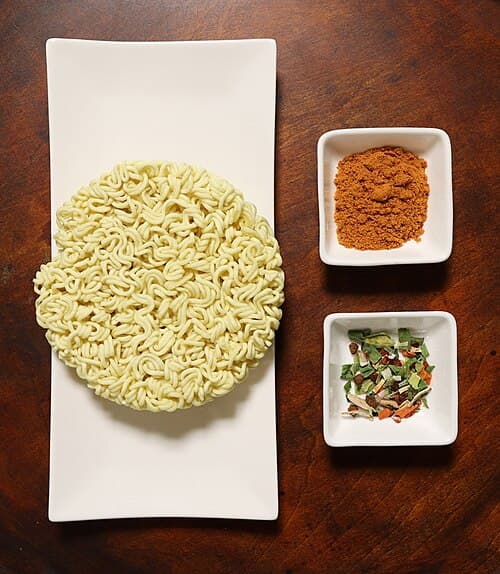
Shin Ramyun
The red-packet classic that set the bar for spicy Korean ramyeon.
Ottogi
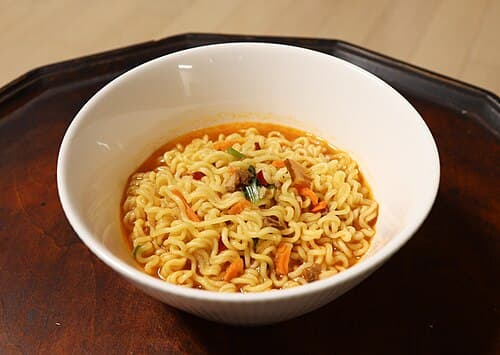
Jin Ramen Spicy
The red Jin Ramen: a punchy, savory rival to Shin Ramyun.
Ottogi
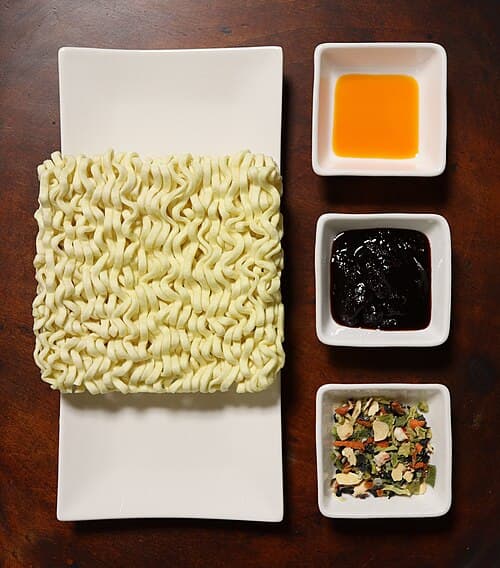
Ottogi Jin Jjambbong
Korean-Chinese spicy seafood soup with a smoky, wok-fired edge.